Tag: #wp

  • Vietnam: Social Media Successfully Forced Government To Leave Traditional Fish Sauce Alone (For Now)

    Vietnam: Social Media Successfully Forced Government To Leave Traditional Fish Sauce Alone (For Now)

    Social media in Vietnam carries quite a force when it comes to having a say in public affairs, and the government is well aware of that. The effect of the new cybersecurity law of 2018 and its attempt to reign in the people’s power remain to be seen. However, the vibrant online civic space in Vietnam just recently proved how effective it could be in fighting against illogical and unreasonable governmental regulations.

    This time, it was all about the fish sauce which for the majority of Vietnamese people, could very well be the essence of their souls. If anything could cause an uprising in the country, interference with the people’s consumption of their fish sauce might very well be it.

    Three years ago, when the disastrous Formosa marine pollution erupted, the fear of not being able to have a safe supply of fish and salt (the main ingredients for making the fish sauce) prompted thousands of Vietnamese to take to the streets.

    So for this reason alone, one would assume that it must take a very gutsy governmental department to take on a fight against the producers of this national treasure.

    To everyone’s surprise, the Bureau of Production and Market Development for Agriculture Produce (Bureau) in Vietnam emerged in early March 2019 as the one who was willing to put on the hat of such a fierce fighter.

    The Bureau proposed a new set of rules and regulations, detailing the practical steps that all who wish to produce fish sauce in the country must follow.

    This particular bureau might have underestimated the outrage from not only the fish sauce producers but also the Vietnamese people at large when the proposed regulation went public.

    It could partly be that the making of fish sauce is quite diverse and supposedly done according to the unique traditions and techniques in each region in Vietnam.

    Similarly, not many of us would imagine instructing all French winemakers how their bottles of wine should be made or telling the whole Italian cheesemakers that they must follow their government’s detailed steps to produce their mozzarella.

    More importantly, for years, the traditional fish sauce producers in Vietnam have been fighting against a few large food corporations who had created a monopoly which mass-produced not fish sauce, but its substitutes.

    It turned out that there were two kinds of sauce involved in this battle.

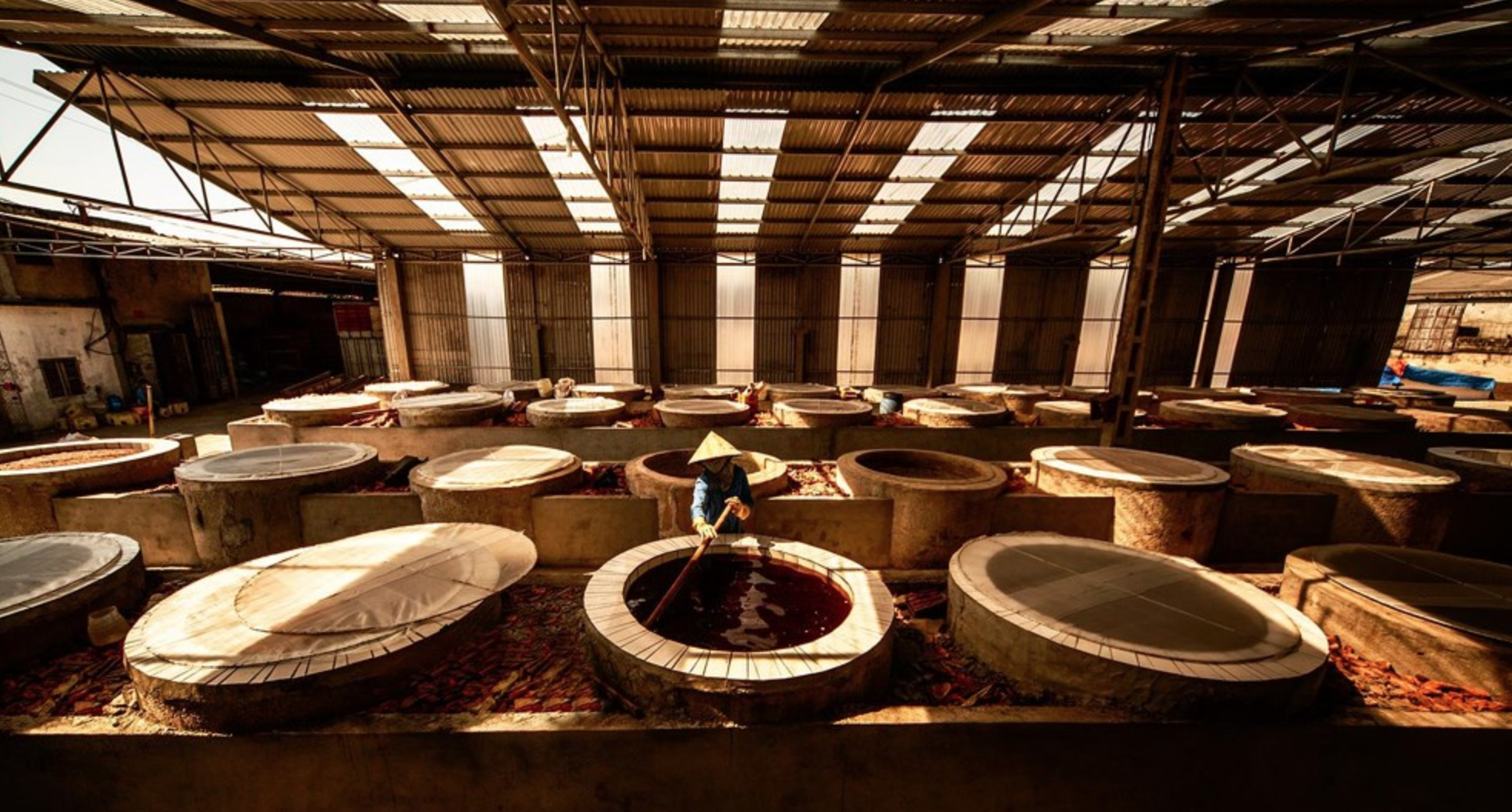
    The traditional fish sauce is organically made from fish and salt, and it takes longer to yield the final products.

    The other is a chemically induced sauce that may smell like fish sauce but catered to an entirely different taste.

    This non-traditional fish sauce substitutes, however, have dominated the market in Vietnam during the past two decades because they are considerably cheaper.

    Nevertheless, the traditional fish sauce continues to survive throughout this battle even though their products cost more than those manufactured by the big factories.

    Perhaps, because, in recent years, Vietnamese people begin to favor the traditional taste both for health reasons and for protecting the keepsake of their national identity.

    I remember this one time when attending college in California, as I was passing by an apartment complex near my school, I suddenly felt the presence of my motherland and nostalgically yearned for my mama’s cooking while the distinctive aroma filled the air from one of the studios.

    I am probably not alone in having such an experience where one associates fish sauce with memories of her homeland, making it an essential part of who she is.

    And there it went, in the last few weeks, the Vietnamese people were not shy in expressing themselves on social media and letting the government knows that they were firmly against the proposal to regulate the traditional fish sauce’s production.

    Their outpouring anger was enough for the Deputy Minister of the Ministry of Science and Technology to quickly announce on March 12, 2019, that the proposed regulation for fish sauce production would be halted indefinitely.

    But the abrupt halt did not calm down the public and the traditional fish sauce producers. For the people, the attempted regulation seemed to disproportionately favor one corporation in particular, Masan Group, who had dominated the fish sauce substitutes market in Vietnam.

    Almost three years ago, the traditional fish sauce producers had suffered a different attack from another controversy allegedly concocted by a Public Relations firm – T&A Ogilvy – who worked with major food corporations, including Masan.

    Back in December 2016, mass media in Vietnam picked up a story from the survey sponsored by T&A Ogilvy where it claimed that 95% of all fish sauce samples collected nationwide contained an alarming amount of arsenic content.

    The story was later proven to be entirely false, and the Prime Minister, Nguyen Xuan Phuc, himself ordered an inquiry into the survey’s claims. Nevertheless, the traditional fish sauce producers already suffered losses when consumers panicked and avoided consumption.

    This time around, the Vietnamese public seemed to believe that the latest proposed governmental regulation just proved that Masan would not give up on this ambitious dream of becoming the only producer for fish sauce in the country and that the government chose to stay on the corporation’s side.

    Because fish sauce is not only a staple in many people’s diet but also a part of their identity, they came to doubt the government’s actual intention for attempting to regulate the production of such caused them.

    On social media, people alleged that this whole incident just showcased the intricately entwined relationship between the Vietnamese government and the conglomerates – such as Masan Group.

    To have such an allegation coming from its people should be a worrying sign for a regime that has been trying to maintain its dwindling legitimacy like Vietnam. And while the battle is not quite finished, social media will continue to be the much needed civic space for Vietnamese people to voice their concerns and exercise their rights.

  • Latest Review Under UN’s Human Rights Treaty Body Highlighted Vietnam’s Dismal Records

    Latest Review Under UN’s Human Rights Treaty Body Highlighted Vietnam’s Dismal Records

    “How do you explain or assess that Vietnam is ranked 175 out of 180 countries in the Reporters Sans Frontiers’ 2018 World Press Freedom Index?”

    The question from Mr. Fathalla, a member of the UN Human Rights Committee, succinctly summed up Vietnam’s human rights situation, especially when it came to those rights involving the people’s freedom of expression.

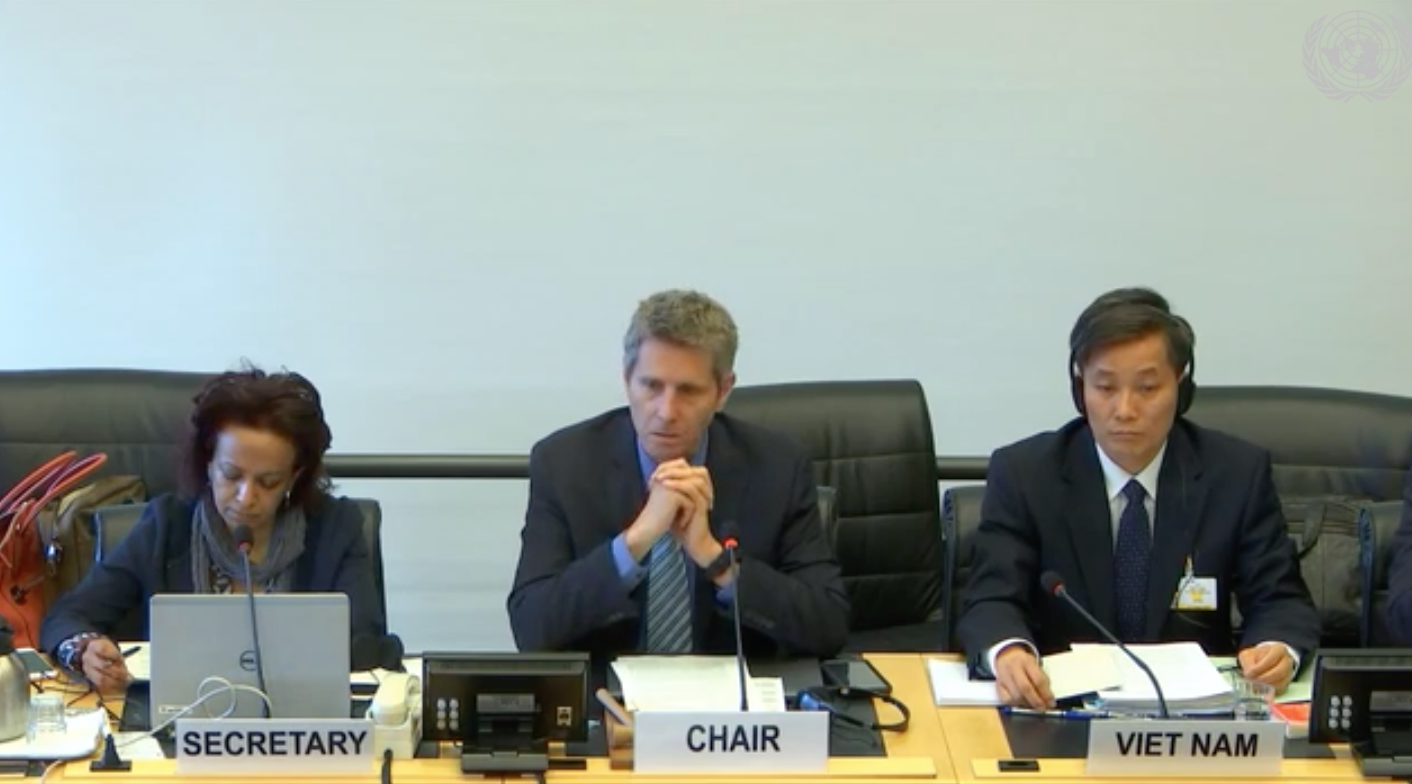
    Between March 11 and 12, 2019 and during their 125th session, the Human Rights Committee completed their review of Vietnam’s compliance and implementation of the International Covenant on Civil and Political Rights (ICCPR) in Geneva, Switzerland.

    Vietnam was 13 years overdue in submitting its third report for the review, which was due in August 2004. As a result, there was a 15-year-gap between the last review and this recent one.

    Nevertheless, the questions from the Committee during the two-day-proceeding painted an accurate, but very worrying picture of the human rights situation in the country right now.

    The Committee questioned specific contents of the new 2018 Cybersecurity Law and the 2016 Press Law regarding their possible violations of Article 19 of the ICCPR on freedom of expression.

    There was scrutiny over the independence of the judiciary in Vietnam where all judges seemed to be members of the Vietnamese Communist Party.

    Lawyers were disbarred for being human rights defenders themselves, or just by merely took on politically sensitive cases, such as those involved police brutality and torture committed by the state’s officials.

    The most recently amended Penal Code has taken a step further in limiting and curtailing the practice of law when it requires lawyers to make mandatory reports on their clients in a few specific instances – for example when it involves a “national security” crime – or risk being prosecuted themselves.

    At the same time, the penal code sections relating to “national security” are used almost exclusively against human rights defenders and political dissidents in Vietnam. As such, the mandatory report requirement seems to especially deny this group of people their right to a fair trial with competent legal assistance.

    There were also concerns from the Committee over the fact that police brutality had become more prevalent in recent years due to impunity.

    Prison conditions in general, and especially the treatment of human rights defenders in prison, were also brought up repeatedly during the proceeding, where the Committee rejected Vietnam’s attempt to brush off the issue by offering evidence of some handful visits to prisons by foreign embassies in recent years.

    The Committee’s members instead referred to the UN’s Committee Against Torture’s recommendations after the review of Vietnam under the Convention in November 2018, where numerous alarming issues regarding the poor conditions in Vietnam’s prisons were addressed, such as the use of shackle and solitary confinement.

    Vietnam was named as one of the world’s top executioners in 2016 by an Amnesty International’s report on the death penalty, after the Ministry of Public Security released some rare statistics in February 2017, stating that 429 prisoners were executed between August 8, 2013, and June 30, 2016, at an average rate of 147 executions per year.

    At the review, facts involved the wrongful convictions involving two death-row inmates, Ho Duy Hai and Le Van Manh, were also addressed in details by members of the Committee.

    The rights of indigenous people in Vietnam also took center after reports on their religious persecution and forced statelessness were submitted to the Committee in advance by NGOs working on these issues. Among them were Boat People SOS, Viet Nam Coalition Against Torture (VN-CAT), Council of Indigenous Peoples in Today’s Viet Nam (CIP-TVN), The Advocates for Human Rights and Tai Studies Center, Khmers Kampuchea-Krom Federation, and Hmong United for Justice.

    The UN received close to thirty shadow reports from civil society organizations before the review, which included both independent groups and NGOs that have an affiliation with the Vietnamese government.

    The Human Rights Committee is expected to issue their concluding observations in the coming months.

  • EU Officials Raised Concern Over Worrying Human Rights Situation In Vietnam

    EU Officials Raised Concern Over Worrying Human Rights Situation In Vietnam

    “The human rights situation in Vietnam is worrying,” according to Commissioner for Trade of the European Union, Cecilia Malmström, after her meeting with independent Vietnamese civil society organizations on March 14, 2019.

    When announcing the adoption of the EU-Vietnam trade and investment agreements (EV-FTA) in October 2018, Commissioner Malmström had hoped that such agreements would “help spread European high standards and create possibilities for in-depth discussions on human rights and the protection of citizens.”

    However, during recent months, the human rights situation in Vietnam did not improve.

    Instead, it became more concerning.

    Commissioner Malmström is not the only EU official who has expressed concerns over the worrying trend of suppression on human rights in Vietnam in recent months.

    32 MEPs from across the political spectrum of the EU Parliament signed a letter back in September 2018, calling on the EU to demand specific human rights improvements from Vietnam before the ratification of the EV-FTA.

    EU Spokesperson on Foreign Affairs and Foreign Policy, Maya Kocijancic, also confirmed in an interview with Radio Free Asia earlier this month, that during the 8th EU-Vietnam Human Rights Dialogue held in Brussels on March 4, 2019, the EU had addressed specific cases of prisoners of conscience with the Vietnamese delegation.

    Ms. Kocijancic also stated during the same interview that the annual dialogue “raised a wide range of issues related to freedom  of expression, cybersecurity, the death penalty, environmental and labor rights, cooperation within the United Nations framework.”

    As of today, The 88 Project’s database documented 21 Vietnamese activists are held in pre-trial detention. There are 218 other activists currently serving a prison sentence; among them, 30 are female activists and 51 indigenous political prisoners.

    According to VOICE (Vietnamese Overseas Initiative for Conscience Empowerment), one of the organizations attended the meeting with Commissioner Malmström, the unconditional and in-country release of Vietnamese prisoners of conscience must be the first human rights benchmark before the ratification of the EV-FTA.

  • Vietnam Continues To Violate People’s Rights After Human Rights Dialogue With EU

    Vietnam Continues To Violate People’s Rights After Human Rights Dialogue With EU

    Less than a day after the Human Rights Dialogue between the European Union and Vietnam on March 4, 2019, was conducted, the Vietnamese police continue to commit blatant violations of the people’s rights.

    Two hours ago, the police came and arrested one of the active members of a group consisting of concerned citizens who have been fighting against what they alleged as illegal activities associated with the BOT (Build-Operate-Transfer) toll booths across Vietnam.

    Ha Van Nam, the victim, posted on Facebook that the police came and searched his house. Later, other Facebookers cited his wife’s statement to confirm his arrest.

    Ha Van Nam was viciously beaten up by men in plainclothes back in January 2019 whom he alleged that they were plainclothes officers. He suffered two broken ribs and other injuries. The perpetrators later threw him at the front gate of Dan Phuong hospital in Hanoi.

    Today, his last post on Facebook stated that the police came to his house and alleged that he committed the crime of “inciting public disorder.”

    “Inciting public disorder” is a crime that has been routinely used against activists and protestors in Vietnam in the most arbitrary manner.

    Often, the government would accuse anyone of committing this crime when they participate in any civil disobedience act.

    Journalist Pham Doan Trang wrote on her Facebook this morning after the incident went viral on social media:

    “Upon the arrest today of driver Ha Van Nam for ‘disrupting peace,’ once again, we highlight that it is time the Vietnamese government immediately decriminalizes and depoliticize civil affairs. We firmly believe that government-endorsed violence with impunity can only lead to more violence in society.”

  • Wife of Arbitrarily Detained Facebooker: He Only Exercised His Constitutional Rights

    Wife of Arbitrarily Detained Facebooker: He Only Exercised His Constitutional Rights

    The Prime Minister of Vietnam, Nguyen Xuan Phuc, announced today at a preparatory meeting for the DPRK-US summit in Hanoi that the country needs to “prove to the whole world that it is peaceful, friendly and orderly … as (the core of) its culture, a way of life of Vietnamese people.”

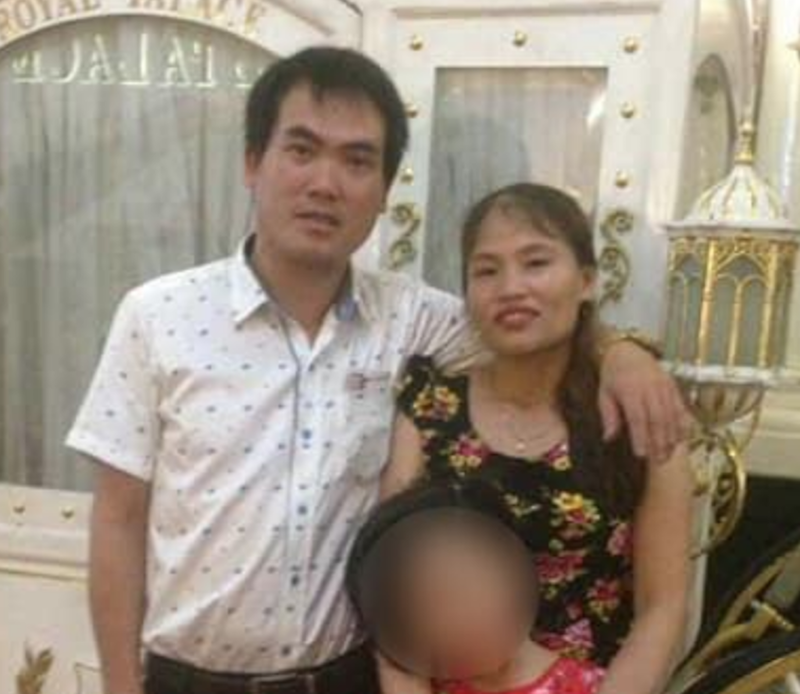
    The price to pay for such an image could very well be the freedom of those who dare to exercise their constitutional rights like Le Thi Khanh’s husband, Tran Thanh Phuong.

    For almost six months, Le Thi Khanh, a garment maker in Ho Chi Minh City, has not been able to see her husband who was taken away by the local authorities since September 1, 2018.

    Her husband is Tran Thanh Phuong, a Facebooker who has been in police detention for attempting to participate in a protest during the celebration of Vietnam’s National Day.

    As a pre-emptive strike, the police “invited” Phuong to come to the local station to talk to them, but they then detained him without a formal arrest warrant, according to his wife.

    At first, Khanh could still bring her husband food and meet him once a day at the local police station of their ward.

    But on September 7, 2018, when she went to see her husband, the police told her they had transferred him to a different location yet refused to tell her where.

    Khanh then went to the District’s Police Department to look up her husband’s whereabouts.

    There, the police asked her to provide them with her marriage certificate before allowing visitation. Once she did, they promised her that she would get to see him on October 10, 2018.

    Came October 10, 2018, Khanh packed some food to bring to her husband with high hopes that she could see him, but again she was disappointed.

    The District’s police told her they had transferred him to No. 4, Phan Dang Luu Street which is the detention center under the Ho Chi Minh City Police Department, The Security Investigative Unit.

    She immediately went to No. 4 Detention Center and was able to confirm that her husband was, indeed, held there.

    Since then, she was only able to send him food every two months, but the authorities have yet to allow visitation.

    She also has no idea what crimes her husband has been charged with because no one would tell her anything.

    But Khanh was aware that Phuong was using his Facebook to look up information relating to Vietnam’s Constitution, as well as the exercise of their constitutional rights.

    “My husband often read different groups’ postings on Facebook about disseminating our Constitution. He said we should read to gain our own knowledge so that when the police arrest us, we could know what rights we have and demand them,” Khanh told us.

    Not being to know how her husband has been doing was an ordeal which Khanh went through in the past six months while trying to make end’s meet to raise the couple’s two daughters, entirely on her own now.

    Tran Thanh Phuong has effectively been held incommunicado by various police forces in Ho Chi Minh City since September 7, 2018.

    Khanh also told us that on October 15, 2010, the police even tried to summon her 13-year-old daughter to come in for questioning on the 19th regarding their investigation of the case.

    She, of course, refused to comply with the outrageous request.

    Phuong was alleged to be a member of a dissident group calls “Constitution” (Hiến pháp).

    The group’s members have been arrested and detained arbitrarily by the Vietnamese authorities from September 2018 to date.

    While the members acknowledged that they participated in the June 10, 2018’s mass protest against the then draft bills of the cybersecurity and the Special Economic Zones law, all information surrounding their activities – including those coming from the authorities – could not openly show their criminal liability.

    One of them has been arrested, tried, convicted and sentenced to five-year-imprisonment.

    In that case, the defendant – Huynh Truong Ca – was alleged by the government to have live-streamed 40 clips on Facebook criticizing the government, the Communist Party, and calling on people to exercise their constitutional right: participate in demonstrations.

    Such conduct, however, not only could not constitute the legal merits of a crime but also was a person’s political opinion which international human rights law protects.

    Notwithstanding international law standards, the government of Vietnam often violates even its constitution while suppressing people during protests and arresting them.

    The 2013 Constitution guarantees all Vietnamese people the right to assemble and to demonstrate peacefully.

    The absence of a valid constitutional protection mechanism, however, has allowed the government’s unlawful activities continued.

    Crowd control’s measures in Vietnam were recently broadcasted internationally when the Hanoi’s security police detained and questioned the Kim Jong-un and Donald Trump impersonators duo ahead of the DRPK-US summit.

    The police’s intention to avoid any remote possibility of people gathering during the event was apparent when they demanded the two’s itinerary while in Hanoi and had since surveilled their movements.

    Spontaneous gatherings in public are frown upon by the VCP because its leaders could not and would not risk the chance – however slim – of having a protest breaks out, especially during a highly observed event like the Kim-Trump peace summit.

    Since September 2018 to date, The Vietnamese has documented over a dozen incidents of arbitrary arrest and detention. More than half of them involved the members of the Constitution group where Tran Thanh Phuong is a member.

  • English Speakers In Vietnam Got A Taste Of Censorship Over An Article On Pollution

    English Speakers In Vietnam Got A Taste Of Censorship Over An Article On Pollution

    February 20, 2019, a few foreigners living both inside and outside of Vietnam were sharing the news that an English article published on the site VN Express was taken down before they could read it.

    Some of them suspected that it was the state’s censorship or even the beginning of the enforcement of the new cybersecurity law.

    As of press time, still, the link is not working.

    The article was about the lone man’s trip across the country of a Vietnamese photographer, Nguyen Viet Hung, to raise awareness on marine pollution in Vietnam using what he knows best, photography.

    The story of Hung was becoming quite popular in Vietnam during recent days.

    He is a well-known photographer whose trip was published on social media and a few newspapers, including one that is under the ownership of the Ministry of Public Security, Cảnh Sát Toàn Cầu online (Global Police Force).

    The 3,260 km long journey, dubbed “The Green Journey” on social media, was documented by Hung and his photography skills

    He began his trip in August 2018.

    Along the way, he was documenting the danger of improper waste disposal, especially plastic waste, and its effects on the environment.

    There was an incident where Hung said he felt scared for his life when taking a picture of a truck dumping trash into the ocean because he thought the truck driver was calling more people to come over and intimidate him.

    The story was well-received by the public because it raised concerns over an urgent matter that all Vietnamese people face daily: how to deal with garbage disposal in the country.

    Marine pollution and pollution, in general, have gained more attention among the public because the amount of trash being disposed in Vietnam on a daily basis is quite alarming.

    In 2018, Vietnamese people became even more concerned when a report placed their country among the top five ocean polluters regarding plastic waste became viral.

    Like many other censored topics in Vietnam, we could never fully understand why an article suddenly becomes “unavailable” when the web link stops working.

    One may suspect that it was because the story placed equal responsibility on both the people and the state for marine pollution, where the failure of the garbage disposal system in Vietnam played a significant role.

    Hung said in one of the Vietnamese articles, that while at Sa Ky Harbor in Quang Ngai Province, it was impossible for him to find a garbage can. As the result, all local residents living in the area would dump their trash directly into the waters which they also use for bathing and consuming.

    Regardless of the reason, Nguyen Viet Hung’s photographs bring about a reality that both the Vietnamese people and their government must face: marine pollution in Vietnam is a code red issue where drastic measures, as well as immediate behavioral changes, must happen now.

    Hung had put this succinctly in the only paragraph left from the taken-down article:

    The farther I went, the more I realized that the environment in general and marine environment in particular of our country are being seriously destroyed. Most people are not aware of the scale of the problem, and this should change, Hung said.

    A few photographs from Nguyen Viet Hung’s trip:

    Plastic rubbish filled the land near a market place in Tuy Phong, Binh Thuan Province. Photo Courtesy: Nguyen Viet Hung.
    Lacking proper garbage disposal, people dumped their trash directly into the ocean. Photo courtesy: Nguyen Viet Hung.
    Children were playing near a creek filled with garbage. Photo courtesy: Nguyen Viet Hung.
    A child was picking up near the seashore. Photo courtesy: Nguyen Viet Hung.
  • Vietnam, Where A Folk Hero And His Incense Burner Became A Political Dilemma

    Vietnam, Where A Folk Hero And His Incense Burner Became A Political Dilemma

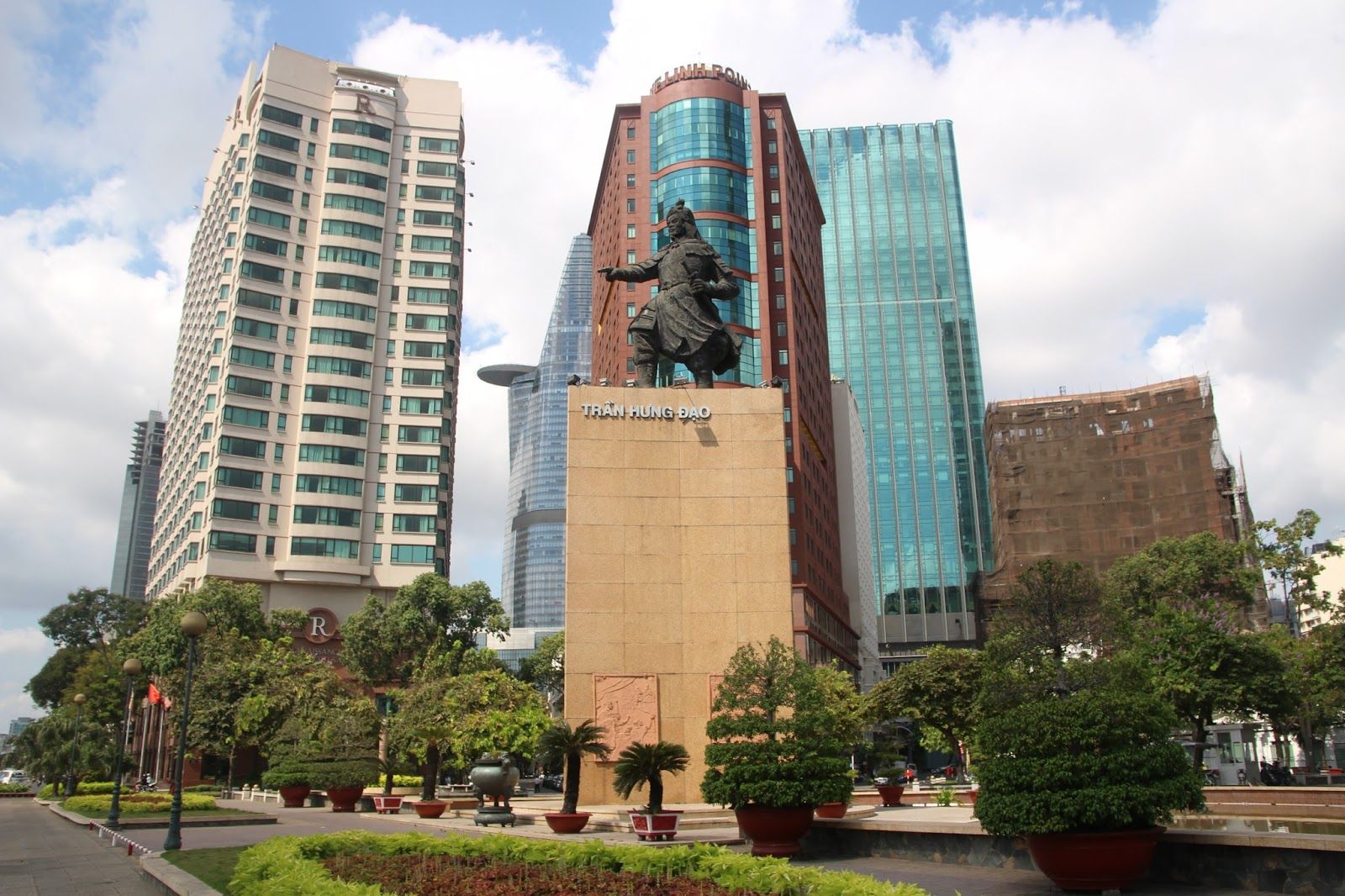
    Some Vietnamese had sarcastically joked in the past few days that the “spirit” of Grand Lord  (in some other translations, Grand Prince) Tran Hung Dao (1228-1300 AD), a General of the Tran Dynasty (1225-1400AD), just became the country’s newest victim of injustice due to the forced removal of his property.

    Three days ago, the giant incense burner which has been placed in front of the Tran Hung Dao statue during the last five decades was suddenly removed by the city on February 17, 2019.

    Taking away the incense burner could be seen as an inexcusable behavior in a society where veneration of ancestors and past national heroes still plays a significant role in the people’s beliefs and religious practices.

    The decision indeed has caused an angry storm that swept across Facebook in Vietnam with no signs of slowing down, despite the following explanation offered by the city’s officials.

    The incense burner suddenly became a political dilemma for the Vietnamese Communist Party’s leadership in Ho Chi Minh City.

    Tran Hung Dao, whose real name was Tran Quoc Tuan (Hung Dao was his posthumous title), probably is the most revered General in Vietnamese history.

    His statue has stood tall at Bach Dang Pier of Saigon River, in Ben Nghe Ward, District 1, Ho Chi Minh City, untouched since 1967.

    To pay respect to Tran Hung Dao, people would come, burn incense, and put them in the giant incense burner in front of the statue.

    During certain commemorating events, some people also come to the location and burn incense.

    In the morning of February 17, 2019, however, the top leaders of Ho Chi Minh City allowed a forklift to come and remove the giant incense burner that had been part of the statue since it was first installed.

    The timing of the removal was probably the most insulting factor, according to those who were offended by it.

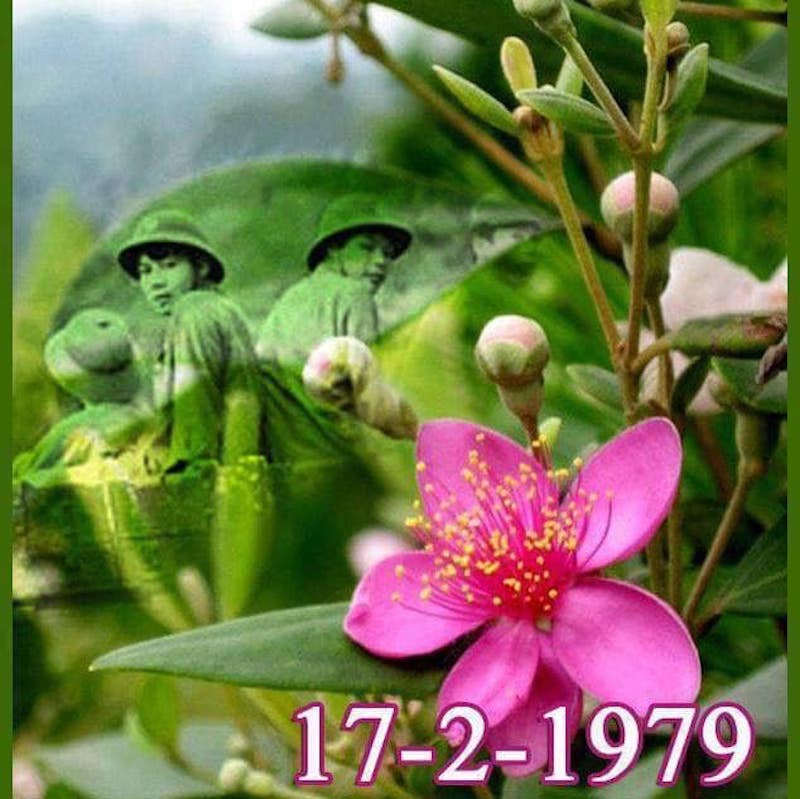
    February 17, 2019, marked the 40th commemoration of the Vietnam-China Border War which lasted over a decade. Vietnam claimed the loss of over 60,000 lives from just between February 17, 1979, to March 4, 1979.

    Vietnamese people revered Tran Hung Dao as a folk hero because he represents the people’s resistance against China’s aggression.

    For generations of Vietnamese, regardless of religious background, Tran Hung Dao was a Sage who had saved the country and its people three times from the Mongols and the Yuan Dynasty which ruled over China and a vast territory in Asia and Europe during the 13th century. His statute had risen to the level of a deity that people worship with the deepest respect.

    Known for his military skills during the battles on waters in ancient time, the modern Vietnamese saw him as the protector of their naval forces. The pier where his statue locates also got named after his famous battlefield: Bach Dang River.

    At a time when China has become more aggressive in the South China Sea, any signs of remote disrespect to Tran Hung Dao could cause an uproar among the Vietnamese people, and this time, it certainly did.

    During the last three days, social media in Vietnam was full of posts and comments about what happened to the Grand Prince Tran’s statue. They range from satire, criticism, to even cursing at the decision makers. All major newspapers in the country also wrote about the story.

    Adding oil onto the fire, however, more people became upset when the Secretary of the VCP’s Division in District 1 of Ho Chi Minh City – Tran Kim Yen – explained to the media about the city’s decision on February 18, 2019.

    According to Ms. Yen, proper worshipping activities should be done at temples and pagodas. The city had decided that the incense burner should be at the Tran Hung Dao Pagoda in Tan Dinh Ward, so they removed it and placed it at the “appropriate” location.

    Many people were not satisfied with the decision, especially when it was unilaterally decided by the officials without public consultation.

    Opponents of the decision quickly pointed out that there is an incense burner at the King Ly’s statue in Hanoi where top VCP’s leaders come together and burn incense to pay respect during the Lunar New Year every year.

    They also posted pictures of incense burners standing in front of many statues of Ho Chi Minh across the country to dispute the official’s explanation that worshipping activities could only be done in temples and pagodas.

    Some people – like dissident attorney Le Cong Dinh – questioned the fact that the explanation came from a leader of the VCP, and not from the administrative branch of the government. He also initiated an online protest, requesting the city government to put back the incense burner.

    Not forget to mention, the night before the removal, social media in Vietnam was circulating a document stamped “Secret,” allegedly coming from the VCP.

    The document requested that the local authorities must stop self-organized groups from organizing any events to commemorate February 17, 1979, at the statue’s location.

    The removal of the incense burner created an ongoing discontentment among not only the residents of Ho Chi Minh City but the Vietnamese people at large, where they raised questions about the ability to lead of the VCP’s officials in Ho Chi Minh City.

  • Death-Row Inmate Dang Van Hien May Get A Second Chance At Life

    Death-Row Inmate Dang Van Hien May Get A Second Chance At Life

    On February 18, 2019, the defense attorneys for Dang Van Hien – a farmer in Dak Nong Province who was sentenced to death in January 2018 – received a letter from the People’s Supreme Court in Hanoi, asking them to supplement further information in support of Hien’s request for a trial by cassation.

    The letter is a good sign. It indicates that Hien’s case may get a review of both the law and the facts by the highest court in Vietnam.

    It gives him hopes that his life could be saved.

    Dang Van Hien killed three men and injured 13 others during a physical altercation between him and the workers of Long Son Investment & Commercial Company in October 2016.

    The call to save Hien, whose death sentence was confirmed by an appellate court in Ho Chi Minh City last July, surprisingly, received a significant amount of public sympathy in Vietnam.

    Right after the appellate court’s decision was announced, in five days, 3,500 people signed an online petition, asking the President of Vietnam to spare his life.

    On July 17, 2018, the Presidential Office demanded the Chief Justice of the Supreme People’s Court, the Chief Procurator of the Supreme People’s Procuracy Office, and the Ministry of Public Security to review and report back the details of the case.

    The public seemed to side with Hien and agreed that while he committed murder, there were extenuating circumstances that should save his life from execution.

    Long Son had been involved in a bitter land dispute for almost a decade with the farmers living in Hien’s village, Village 1535 in Quang Truc Ward, Tuy Duc District, a remote area deep into the forest of Dak Nong Province.

    Dang Van Hien’s case was an agonizing tale of a farmer who started from scratch, trying to build a life on a piece of land which representing the hard-earned money that he and his wife had worked so hard for.

    He was a member of the Nung ethnic minority in Vietnam who had very limited education.

    But Hien believed in working hard and to this day, believed in the legal system.

    He tried to petition to the central government to resolve the dispute between him and Long Son company for almost ten years.

    He was not the instigator of the deadly event happened on October 23, 2016.

    He earnestly believed that he was protecting his land and his family when they were attacked by the company’s workers, with bulldozers and self-made weaponry.

    He turned himself into the police, believing that the law would be fair to him. He and his family tried to compensate the families of the victims for their losses.

    Those were the extenuating circumstances that 3,500 Vietnamese people believed should spare Dang Van Hien’s life.

    But their sympathy could have also come from the fact that land disputes have become one of the most pressing social and political problems in Vietnam during the past three decades, ever since the Vietnamese Communist Party (VCP) started to implement their economic reforms under the Doi Moi policy in the late 1980s.

    The growth of both the private sector and quasi-government enterprises crashed head-on with landowners across the country in many development projects throughout the years.

    On top of that, the legal framework involving land rights in Vietnam is extremely complicated, yet still could not resolve the most important issue confronting the authorities.

    How to balance the communist concept that all lands supposedly belong to the people and still be able to justify the granting of the right to occupy and use the land to preferably private companies over a regular person?

    In recent years, story after story continuously exposed incidents of local government in Vietnam giving the conglomerates a more favored treatment when granting them land use rights in real estate development projects.

    The victims of the wrongful, forced removals under the Thu Thiem Project in Ho Chi Minh City had spent over 20 years in petitioning their cases to no avail.

    Just last month, Sun Group – one of the largest real estate development companies in Vietnam – faced an accusation from environmental activists that they are building a resort in the heart of the country’s famous national park, Tam Dao.

    Land-grabbing has become the reality that the majority of Vietnamese people acknowledges. When conflicts happen, it would be somewhat natural for them to act more sympathetic towards the land-lost victims.

    There is always the possibility that anyone in Vietnam could be the next victims of land-grabbing activities, as seen in the case of Loc Hung Vegetable Garden this year, which may also explain this sympathetic reaction from the public as seen in Hien’s case.

    In Hien’s case, their sympathy may get him a second chance at life.

  • Vietnam-China Border War 1979: When Vietnamese People Refused To Forget

    Vietnam-China Border War 1979: When Vietnamese People Refused To Forget

    Foreigners often assume – wrongfully – that the last war the Vietnamese people remember fighting was the one where the Americans were involved.

    It is not.

    Foreigners also often do not fully understand why a large number of Vietnamese people would protest when China acts aggressively in the Southeast Asian Sea or South (of) China Sea.

    Is it because the Chinese colonized us Vietnamese for one thousand years and continuously fought us during our entire history?

    It is not, not entirely.

    It is true that from our earliest history until this century, China’s aggression towards us has never ceased to exist.

    But, we were forced to resist primarily because our government in the past almost three decades, as it attempted to be closer to their ideological big brother, tried to blur our past conflicts with China.

    We were forced to remember because we felt that there has been an attempt to erase this collective memory from us.

    Ever since Vietnam signed a treaty with China to end the decade long Border War after their secret negotiations in Chengdu in 1990, our history books spent only a few paragraphs discussing the recent battles between us and China.

    Until very recently, writing about China’s aggression and the bloody history between the two countries in the 20th century was strictly forbidden by the Propaganda Central Committee of the Vietnamese Communist Party (VCP).

    Those journalists and bloggers – such as Osin Huy Duc, Pham Doan Trang, Mother Mushroom, The Wind Trader, and Trung Bao – who dared to lead the way almost a decade ago on writing about the restricted contents have paid a hefty price. For some of them, their professional life ended, and for some others: jail time.

    The people’s attempts to commemorate these battles and those who died were faced with arrest, detention and physical assaults by our police force every year.

    Remembering the dead during the anniversary of their passing – or Ngày Giỗ – is a staple ritual in the Vietnamese culture.

    Remembering those who had given up their lives to protect our lands is seen as a responsibility which the people expect from their government.

    When our government chose silence over commemorating those who died to protect our sovereignty, as Vietnamese, we refused to forget.

    We refused to forget the 74 soldiers of the Republic of South Vietnam’s naval force whom we lost in the battle of January 19, 1974 – the day China invaded Paracels Island.

    We refused to forget the 68 soldiers from the People’s Army of Vietnam who died resisting China’s attack at the Johnson South Reef on March 14, 1988, in the Spratly Islands.

    And every February, we could not forget the most gruesome memory of the massacre in the Northern provinces during the Border War of 1979, which many witnesses could still recall today.

    We saw the relationship between the Chinese Communist Party (CCP) and the VCP has trenched in the blood of innocent lives.

    Thousands of Vietnamese people and soldiers died at the hands of the Chinese PLA during the Border War.

    One research paper entitled China’s War Against Vietnam, 1979: A Military Analysis conducted in 1982 by King C. Chen and published by the School of Law of the University of Maryland in 1983, had estimated that each side lost about 30,000 soldiers from February 17, 1979, to March 5, 1979.

    Vietnam estimated the number of lives it had lost during the Border War was around 60,000 people.

    Has it not been for the internet that was roaming free in Vietnam since the early 2000s until now, the younger generations of Vietnamese would not be able to learn about our history.

    It was also because of the internet, Vietnamese people learned about the Tiananmen massacre, and the plight of the Tibetans and the Uyghurs under China’s occupation.

    We fear the day that Vietnam would be the next Tibet or East Turkestan if China’s aggression continues.

    When our National Assembly tried to pass the Special Economic Zones in June 2018, our government reaffirmed this worst fear that Vietnam could be under the direct control of the most terrible dictatorship in the world.

    Naturally, thousands of people turned to the streets as they did in 2007/2008, 2011, 2012, 2013, 2014, and so forth.

    The June 2018 protest, however, was estimated to be the most massive demonstration in contemporary Vietnam’s history after April 1975, and it was not organized by any groups of dissidents.

    It was probably an automatic response to China’s aggression, a force of resistance that might have been ingrained in most of our genetic makeups.

    The majority of Vietnamese people do distinguish the CCP as the main culprit, not all people of Chinese descent.

    In 2014, there were reports of riots burning down Chinese-owned factory, but the identities of those rioters were dubious to the public.

    Some suspected that the “riots” was part of the police’s tactic to suppress the peaceful demonstration against China for bringing their oil rig – Haiyang 981 – into Vietnam’s waters at the time.

    Regardless, Vietnamese people quickly denounced the riots, as well as any call for violence against Chinese people and their property.

    This year, 2019, it was the first time that all of Vietnam’s major newspapers published the detailed historical events to commemorate the February 1979 Border War with China.

    However, few trusted that our government has truly meant to give the dead their well-earned respect after 40 years.

    Last night, a document stamped “Secret” was circulating Facebook in Vietnam, allegedly came from the VCP’s leaders in Ho Chi Minh City, asking the local authorities to not letting self-organized groups – such as the Le Hieu Dang Club – to organize their events commemorating February 17, 1979.

    This morning, social media reported that the local police forces were arresting dissidents who went to Ly Thai To statue in Hanoi and Tran Hung Dao statue in Ho Chi Minh City to commemorate the event.

    Among the arrested were blogger Anh Chi Tuyen (Nguyen Chi Tuyen), poet Phan Dang Lu, Facebookers Dang Bich Phuong, Le Hong Hanh, and Hong Ha.

    The people often chose the statues of Ly and Tran as the commemorating locations because they were our national heroes who fought off the “enemies from the North” in our history.

    In Ho Chi Minh City, the local authorities were quite “creative” when they used a forklift to take away the giant incense burner (lư hương) so that no one could offer the incense to the dead, effectively stopping any commemoration activity at once.

    While the good faith of our government again was being called into question today, February 17, 1979, had already become a historical event that the contemporary Vietnamese memorialized because we, the people, refused to forget.

  • Vietnamese Police Continue Questioning People Over Facebook Activities

    Vietnamese Police Continue Questioning People Over Facebook Activities

    The police force in Ben Tre Province, Vietnam seemed to have been quite busy in the last few months, going after people’s postings on Facebook.

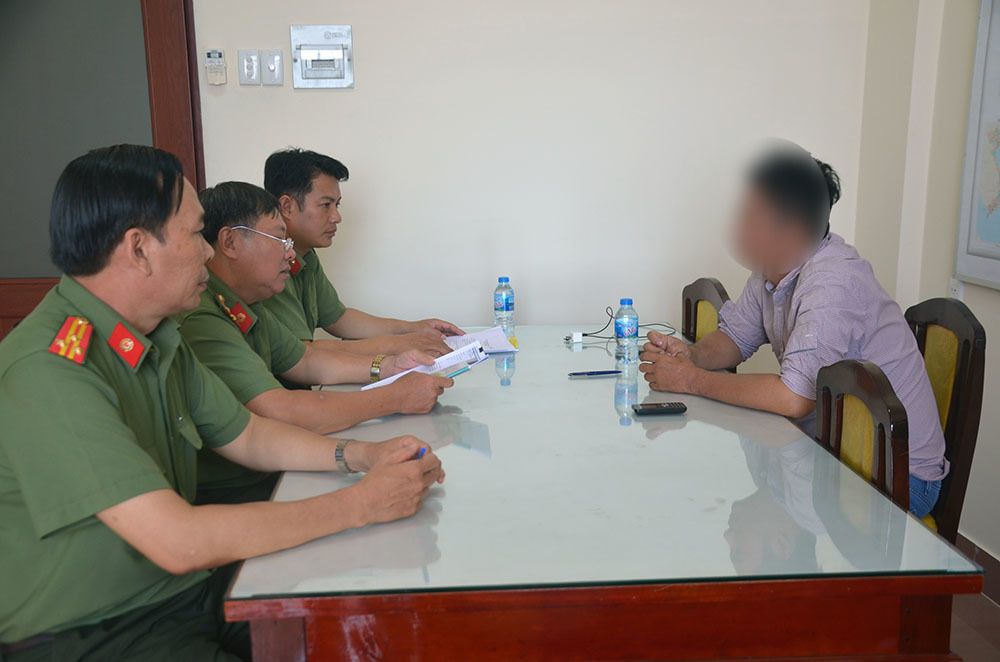
    In January 2019, their Domestic Security Bureau took a university student in and questioned him over his Facebook’s usage, including whether he had joined a group calls “Liking BBC Vietnamese” (Thích BBC Tiếng Việt) – which the police classified as “politically hostile.”

    On February 13, 2019, Vietnamnet newspaper reported that Ben Tre provincial police conducted an investigation and interrogated a 35-year-old man, Phan Chi Toan, about his Facebook’s activities under the username “Phan Rio.”

    Police alleged that the Facebook account calls Phan Rio was conducting “subversion against the people’s government.”

    How did he do it according to the authorities?

    He did so by joining numerous groups, allegedly “politically hostile” towards the Vietnamese Communist Party (VCP) and the State, posting, sharing, and commenting on contents that incited demonstrations, as well as propagating to defame the policies, guidelines, and directions of the VCP and the government.

    The police had not formally charged Toan with a crime but did declare that they would proceed with the case according to the regular procedures.

    The same Vietnamnet’s article further mentioned that the People’s Committee of Mo Cay Bac District, also in Ben Tre Province, had fined a 55-year-old man – Dang Tri Thuc – under Government’s Decree 174/2013/ND-CP, Article 64, Section 4, for using his Facebook account to incite public demonstration in December 2018.

    Accordingly, Thuc, a driver, was accused of using the live-stream feature on Facebook to make video clips, calling on others to protest on a few major road intersections on December 22 and 28. He allegedly admitted guilt, confessed and promised he would not repeat the offense, so the authorities fined him with 15M VND or approximately 650 USD.

    Decree 174/2013/ND-CP, Article 64: Violations against regulations on websites/ news websites

    Section 4. A fine ranging from VND 30,000,000 to VND 50,000,000 shall be imposed for any of the following violations:

    a) Propagating information against the Socialist Republic of Vietnam; sabotaging the bloc of great national unity at a degree of severity which is still not liable to criminal prosecutions;

    b) Propagating information with the aims of inciting war of aggression, causing hatred between ethnic groups or people of countries, inciting violence or propagating reactionary thought at a degree of severity which is still not liable to criminal prosecutions;

    c) Distorting history, denying the revolutionary achievements or offending the nation, people or national heroes at a degree of severity which is still not liable to criminal prosecutions.

    While the right to demonstrate is constitutionally protected in Vietnam, the government had routinely violated this right by applying their Decree 38/2005/NĐ-CP – to regulate “public gatherings – during protests to arrest the participants.

    Since the nationwide mass protests broke out in June 2018 against the draft bills on the cybersecurity law and the development of three special economic zones, the security police have continued to track down those who had participated and made arrests in different cities and provinces.

    The family of a woman names Doan Thi Hong from Binh Thuan Province has recently made a public plea on social media, alleging that Hong was taken into police custody by a group of plainclothes police on September 2, 2018. She was a participant in the same June 2018 protest mentioned above.

    Although she has a young child under 36-month-old at the time of the arrest, which under Vietnam’s laws is a factor to consider against pre-trial detention, her sister claimed that Hong had been arbitrarily kept incommunicado since September of last year.

    According to her sister, Hong was not a dissident and only exercised her right to protest that one time.

    It seems that the police’s recent investigations targetting Facebook’s activities and usage in Vietnam also focus primarily on the average users and not necessarily the more well-known bloggers and dissidents.