Category: News

  • Exploring Tam Dao National Park, Group Of Vietnamese Youths Robbed And Beaten By Unknown Men

    Exploring Tam Dao National Park, Group Of Vietnamese Youths Robbed And Beaten By Unknown Men

    “My body crumbled because of the pain, but this group of strangers continued to beat me while using words to taunt me: ‘Aren’t you scared now, Hung? Don’t you care about your friend, dear?’”

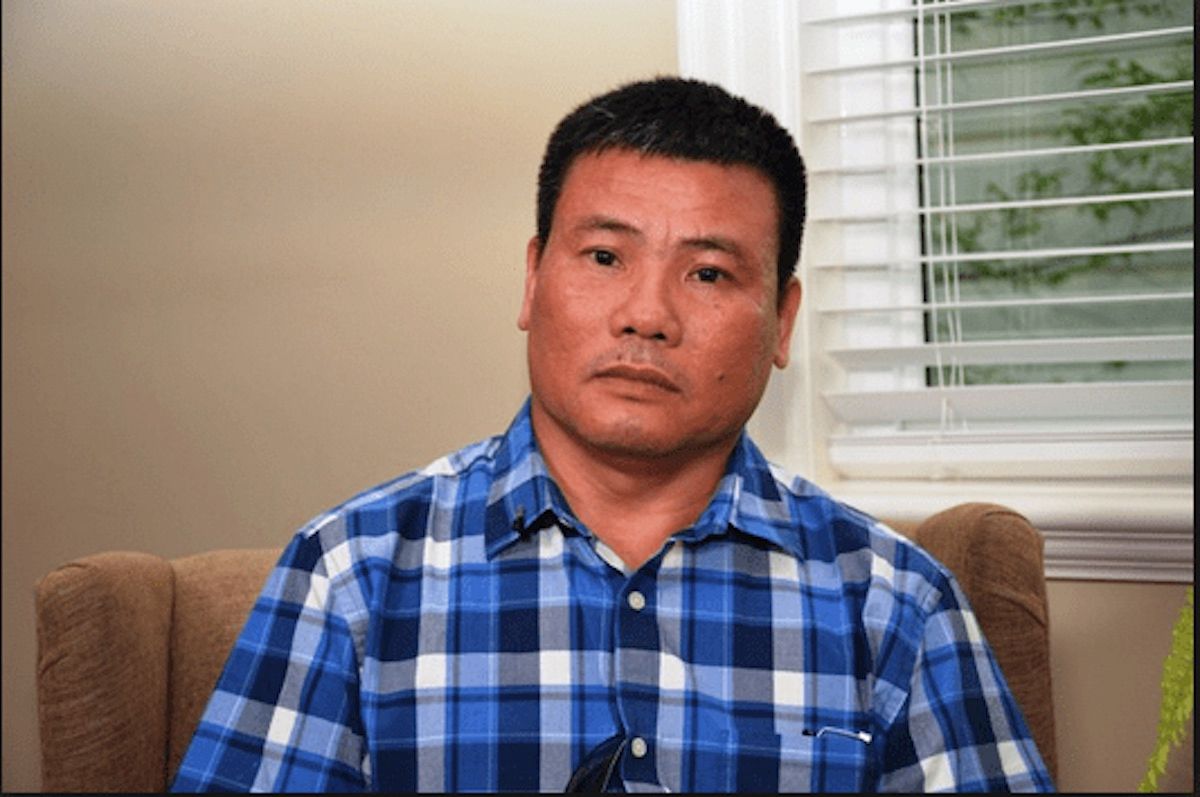
    In a Facebook’s post, the victim, Ta Manh Hung, recounted the horrible experience that he and four of his friends encountered on the evening of April 6, 2019, on Tam Dao mountain.

    The group was traveling together that weekend, hoping to explore one of Vietnam’s most praised national parks and its rainforest, located in Vinh Phuc province near Hanoi. Prepared to spend the night at a camping grounds inside the forest, yet halfway to the destination, their journey was abruptly cut short when about a dozen strangers, all males, surrounded the group. The men then proceeded to use force to tie each of the youngsters to a tree stump about 20 meters apart and then they assaulted them.

    The ordeal lasted for a couple of hours until nightfall, and when the weather began to get cold in the forest, the assailants decided to take off. They left the victims still tied up and took all of their personal property, including their mobile phones, cameras, watches, Kindles, back-up chargers, and the wallets that contained their identification papers.

    Cold, scared and beaten, these youngsters, however, were able to use their teeth to slowly untie each other. Afterward, they managed to go to the nearby Tay Thien Pagoda to seek refuge for the night. The next day, local people helped them report the incident to the police of Tam Dao district.

    The group’s violent encounter was first reported on Facebook in Vietnam last week. As it went viral, the public started to demand answers from the local authorities, prompting the mainstream media also to cover the story. In an interview with Nation (Tổ Quốc) newspaper, the police of Vinh Phuc province stated that they took the incident seriously and that they would handle it according to the law and regulations.

    The public’s anger, however, may also be explained by the fact that Tam Dao national park has attracted the concern of many in recent months. Vietnamese people were wary that an ongoing development project, being constructed in the center of the rainforest might destroy its natural landscape and ecosystem.

    A little more than three months ago, there were reports that Tam Dao’s primary rainforest and its diverse fauna and flora were under threat of environmental destruction.

    Sun Group – one of Vietnam’s largest real estate developers – together with the government of Vinh Phuc province had initiated the construction of a resort in the middle of the national park. While the developers insisted that they were building an “ecotourism” project, environmentalists in the country decried the idea, stating that it would cause irreversible damages to the hundred-million-year-old rainforest’s ecosystem.

    A Facebook group called Save Tam Dao started to document the current stages of theSun Group development project. It also called on others to join in and save the rainforest. Save Tam Dao has received quite a lot of support from Facebook users in Vietnam, especially among the younger generation.

    Last month, together with other environmental activists and organizations, this group also initiated an online petition with Avaaz.org, calling on the Ministry of Natural Resources and Environment to publicly reveal the project’s Environmental Impact Assessment.

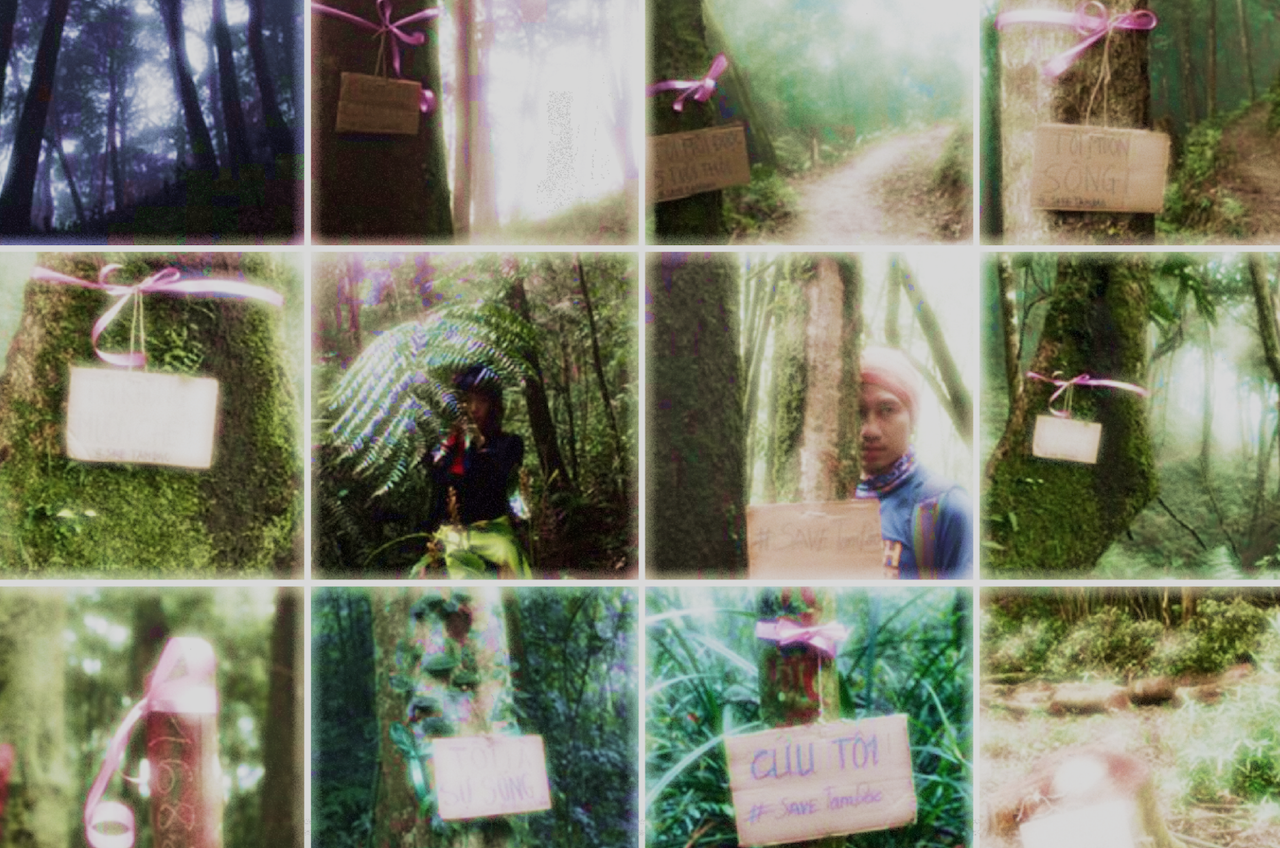
    Groups of youngsters have also started to travel more frequently to Tam Dao to take pictures of nature’s beauty. Some of those pictures, however, also showed the devastating damage that the resort’s development project had created thus far.

    Hung’s group attempted to do the same thing during the previous weekend: travel to Tam Dao and explore the rainforest’s beauty. But its members tragically had a terrorizing encounter where they were robbed and assaulted.

    It was, however, quite peculiar that the attackers also forced the group to give up the passwords of their phones. Once able to gain access, they then immediately began reviewing all of the stored messages and photos at once.

    Hung was the only one that had refused to give up his passwords. As he later stated, he did not want unknown strangers to intrude on his privacy. The moment he did not comply, his suffering increased. These men tied him up, covered his head and beat him for hours, trying to get him to give up the password.

    Irritated by his continuing refusal, the assailants threatened to plant drugs on his body and report him to the police. Then, they carried him up, still with his head covered, and told him that they would throw him down the abyss. Seeing Hung did not respond to the threats, they started to put various types of insects inside his clothes to let them bite him. To prevent others from hearing his screams, they stuffed Hung’s mouth with some handkerchief.

    What was so important that the assailants were willing to use such tactics to gain access to Hung’s phone and would even use torture to get it? We may have to wait for the police investigation report to find out more.

    This latest attack, however, raised many questions about public security and safety in the area. Tam Dao is a national park; it belongs to all of the people, and all of its people should be able to enjoy its beauty safely. But right now, it seems that not only the rainforest at Tam Dao is crying for help but so are the ones who love it.
  • Vietnam Accused “Hostile Forces” Of “Abusing” Ba Vang Pagoda Story. What Is Ba Vang?

    Vietnam Accused “Hostile Forces” Of “Abusing” Ba Vang Pagoda Story. What Is Ba Vang?

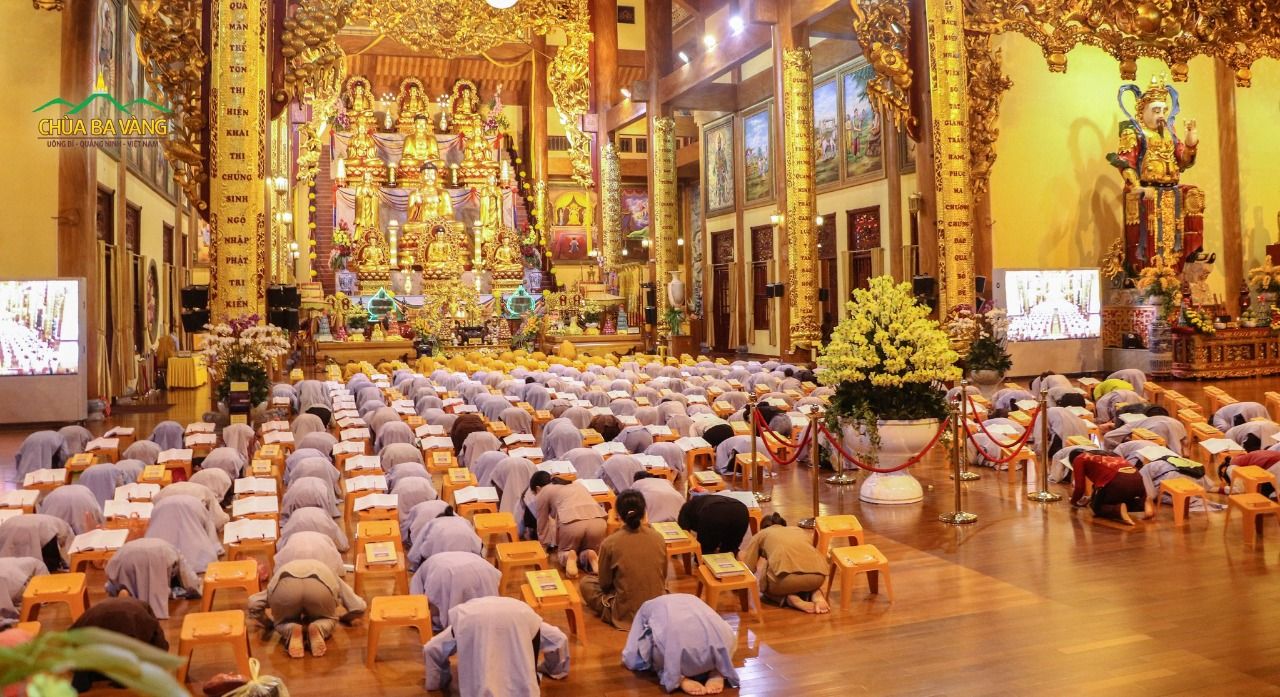
    A number of Vietnam’s state newspapers simultaneously began reporting on an almost identical story in late March 2019. They all accused “hostile forces” of “abusing” the Ba Vang Pagoda Incident to “promote, incite, and entice the people, monks, and Buddhists to fight against the government, generating divisions of religious unity.”

    Such strong words came from an article printed on April 1, 2019, by the VTC News (Vietnam Television Corporation), one of the Vietnamese Communist Party’s largest mouthpieces, which further announced:

    “The hostile forces changed information as a plot to distort the freedom of religion situation in Vietnam.”

    The Ba Vang Pagoda Incident was just the latest addition to the laundry list of accusations made by the Vietnamese government against “hostile forces” over the years. Often, it would accuse them of taking advantages of social problems in Vietnam to incite the public and created friction between the state and its people.

    But what happened at Ba Vang Pagoda? What is this place?

    Why do both the Vietnamese government and its people care so much about it recently?

    Ba Vang is a Buddhist temple in Quang Ninh Province, and Abbot Thich Truc Thai Minh belongs to the Vietnam Buddhist Sangha (VBS). The VBS is the only Buddhist Sangha recognized by the Vietnamese government, and it is also a member of the Vietnamese Fatherland Front, an umbrella group of mass movements in Vietnam aligned with the Communist Party of Vietnam.

    Earlier in March 2019, some video clips of a Buddhist follower named Pham Thi Yen preaching in front of thousands of people in Ba Vang Pagoda spread rapidly on Facebook and other social media platforms.

    One clip shows Mrs. Yen discussing the case of a female student who was gang-raped and murdered while on her delivery route earlier this year. Yen explained that the killing was due to the deceased’s evil karma, which she said the deceased had sown in her past life, and for which she must suffer retribution this life. Her speech had angered the entire nation.

    Then, on March 20, 2019, an investigative report in the Lao Dong newspaper entitled “Spreading the dead soul’s vengeance, Ba Vang Pagoda earns tens of millions of US dollars every year,” fueled even more public backlash against the pagoda. The article alleged that religious leaders at the pagoda were performing superstitious activities, such as offering to eliminate bad luck for a large sum of money from its followers.

    Members of the Ba Vang Pagoda preached that all troubles in life sprang from the ghosts of many previous lives before who follow the people until this life to seek revenge for past misdeeds or grudges. If one “wants to be forgiven,” he or she then must “offer money to the ghosts” which they could do it by donating money to Ba Vang.

    On social media, people began to investigate Abbot Thich Truc Thai Minh and his past. In Vietnam, there has always been strong speculation among the public about the entangled, secretive relationship between the Party and the VSB, where high ranking monks and abbots have been elected to the National Assembly, held governmental posts, and have always spoken in support of the VCP.

    The social backlash and public anger towards the Ba Vang Incident prompted a quick reaction from both the government and the VSB. Multiple ministries issued urgent orders to investigate the matter, and the VSB announced that it had disciplined Ba Vang’s abbot.

    But the people refused to let the story de-escalate. Indeed, more and more netizens dug up past videos and pictures Ba Vang had previously used as infomercials. Photos of past and present leaders, such as Prime Minister Nguyen Xuan Phuc, who was shown walking hand in hand with Abbot Thich Truc Thai Minh spread like wildfire on Facebook.

    Facebook users went further and started to suspect openly that the Ba Vang Pagoda Incident was indeed an internal fight between high ranking officials in Vietnam whose business interests had collided. It has been an old rumor among Vietnamese people that some of the large and well-constructed pagodas in the country were places where illegal money laundering activities took place, involving many of the VCP’s officials.

    Some well-known Facebook commentators continued to question the incidents at Ba Vang Pagoda, asking: who had approved the construction and operation of the pagoda, whether it was legal to ‘collect money for superstitious activities,’ who was behind all these activities.

    And as the people continued to probe, the government turned to an old trick, blaming “hostile forces” for the ongoing controversy.

    In the past, the government had accused “hostile forces” of being behind the fight against the operation of illegal BOT toll booths. The protests in June 2018, where thousands of people rallied against the Special Economic Zones and the Cybersecurity law, were also supposedly incited by such forces, according to the state.

  • Vietnam Continues To Violate People’s Rights After Human Rights Dialogue With EU

    Vietnam Continues To Violate People’s Rights After Human Rights Dialogue With EU

    Less than a day after the Human Rights Dialogue between the European Union and Vietnam on March 4, 2019, was conducted, the Vietnamese police continue to commit blatant violations of the people’s rights.

    Two hours ago, the police came and arrested one of the active members of a group consisting of concerned citizens who have been fighting against what they alleged as illegal activities associated with the BOT (Build-Operate-Transfer) toll booths across Vietnam.

    Ha Van Nam, the victim, posted on Facebook that the police came and searched his house. Later, other Facebookers cited his wife’s statement to confirm his arrest.

    Ha Van Nam was viciously beaten up by men in plainclothes back in January 2019 whom he alleged that they were plainclothes officers. He suffered two broken ribs and other injuries. The perpetrators later threw him at the front gate of Dan Phuong hospital in Hanoi.

    Today, his last post on Facebook stated that the police came to his house and alleged that he committed the crime of “inciting public disorder.”

    “Inciting public disorder” is a crime that has been routinely used against activists and protestors in Vietnam in the most arbitrary manner.

    Often, the government would accuse anyone of committing this crime when they participate in any civil disobedience act.

    Journalist Pham Doan Trang wrote on her Facebook this morning after the incident went viral on social media:

    “Upon the arrest today of driver Ha Van Nam for ‘disrupting peace,’ once again, we highlight that it is time the Vietnamese government immediately decriminalizes and depoliticize civil affairs. We firmly believe that government-endorsed violence with impunity can only lead to more violence in society.”

  • Vietnam, Where A Folk Hero And His Incense Burner Became A Political Dilemma

    Vietnam, Where A Folk Hero And His Incense Burner Became A Political Dilemma

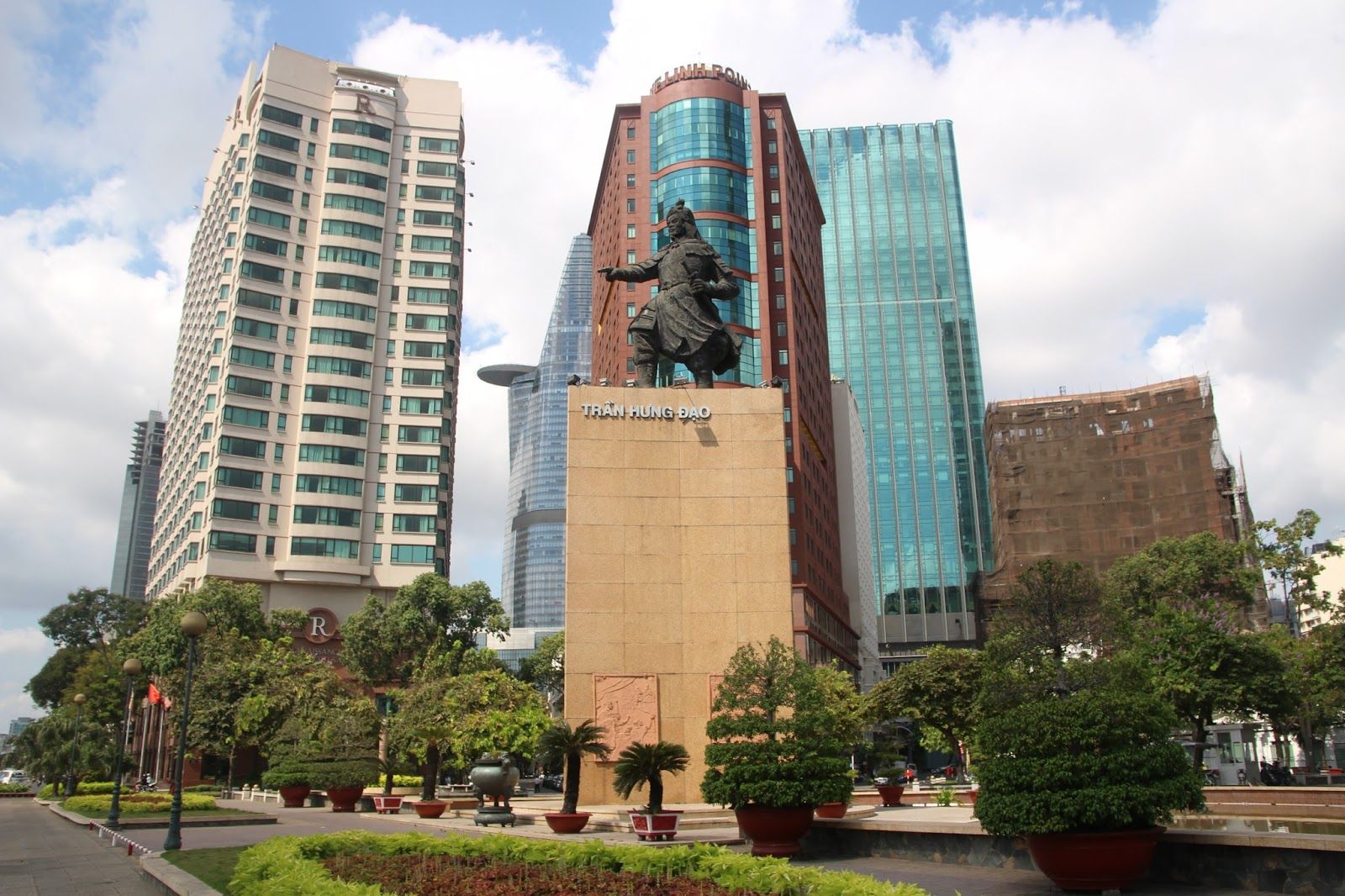
    Some Vietnamese had sarcastically joked in the past few days that the “spirit” of Grand Lord  (in some other translations, Grand Prince) Tran Hung Dao (1228-1300 AD), a General of the Tran Dynasty (1225-1400AD), just became the country’s newest victim of injustice due to the forced removal of his property.

    Three days ago, the giant incense burner which has been placed in front of the Tran Hung Dao statue during the last five decades was suddenly removed by the city on February 17, 2019.

    Taking away the incense burner could be seen as an inexcusable behavior in a society where veneration of ancestors and past national heroes still plays a significant role in the people’s beliefs and religious practices.

    The decision indeed has caused an angry storm that swept across Facebook in Vietnam with no signs of slowing down, despite the following explanation offered by the city’s officials.

    The incense burner suddenly became a political dilemma for the Vietnamese Communist Party’s leadership in Ho Chi Minh City.

    Tran Hung Dao, whose real name was Tran Quoc Tuan (Hung Dao was his posthumous title), probably is the most revered General in Vietnamese history.

    His statue has stood tall at Bach Dang Pier of Saigon River, in Ben Nghe Ward, District 1, Ho Chi Minh City, untouched since 1967.

    To pay respect to Tran Hung Dao, people would come, burn incense, and put them in the giant incense burner in front of the statue.

    During certain commemorating events, some people also come to the location and burn incense.

    In the morning of February 17, 2019, however, the top leaders of Ho Chi Minh City allowed a forklift to come and remove the giant incense burner that had been part of the statue since it was first installed.

    The timing of the removal was probably the most insulting factor, according to those who were offended by it.

    February 17, 2019, marked the 40th commemoration of the Vietnam-China Border War which lasted over a decade. Vietnam claimed the loss of over 60,000 lives from just between February 17, 1979, to March 4, 1979.

    Vietnamese people revered Tran Hung Dao as a folk hero because he represents the people’s resistance against China’s aggression.

    For generations of Vietnamese, regardless of religious background, Tran Hung Dao was a Sage who had saved the country and its people three times from the Mongols and the Yuan Dynasty which ruled over China and a vast territory in Asia and Europe during the 13th century. His statute had risen to the level of a deity that people worship with the deepest respect.

    Known for his military skills during the battles on waters in ancient time, the modern Vietnamese saw him as the protector of their naval forces. The pier where his statue locates also got named after his famous battlefield: Bach Dang River.

    At a time when China has become more aggressive in the South China Sea, any signs of remote disrespect to Tran Hung Dao could cause an uproar among the Vietnamese people, and this time, it certainly did.

    During the last three days, social media in Vietnam was full of posts and comments about what happened to the Grand Prince Tran’s statue. They range from satire, criticism, to even cursing at the decision makers. All major newspapers in the country also wrote about the story.

    Adding oil onto the fire, however, more people became upset when the Secretary of the VCP’s Division in District 1 of Ho Chi Minh City – Tran Kim Yen – explained to the media about the city’s decision on February 18, 2019.

    According to Ms. Yen, proper worshipping activities should be done at temples and pagodas. The city had decided that the incense burner should be at the Tran Hung Dao Pagoda in Tan Dinh Ward, so they removed it and placed it at the “appropriate” location.

    Many people were not satisfied with the decision, especially when it was unilaterally decided by the officials without public consultation.

    Opponents of the decision quickly pointed out that there is an incense burner at the King Ly’s statue in Hanoi where top VCP’s leaders come together and burn incense to pay respect during the Lunar New Year every year.

    They also posted pictures of incense burners standing in front of many statues of Ho Chi Minh across the country to dispute the official’s explanation that worshipping activities could only be done in temples and pagodas.

    Some people – like dissident attorney Le Cong Dinh – questioned the fact that the explanation came from a leader of the VCP, and not from the administrative branch of the government. He also initiated an online protest, requesting the city government to put back the incense burner.

    Not forget to mention, the night before the removal, social media in Vietnam was circulating a document stamped “Secret,” allegedly coming from the VCP.

    The document requested that the local authorities must stop self-organized groups from organizing any events to commemorate February 17, 1979, at the statue’s location.

    The removal of the incense burner created an ongoing discontentment among not only the residents of Ho Chi Minh City but the Vietnamese people at large, where they raised questions about the ability to lead of the VCP’s officials in Ho Chi Minh City.

  • Vietnamese Police Continue Questioning People Over Facebook Activities

    Vietnamese Police Continue Questioning People Over Facebook Activities

    The police force in Ben Tre Province, Vietnam seemed to have been quite busy in the last few months, going after people’s postings on Facebook.

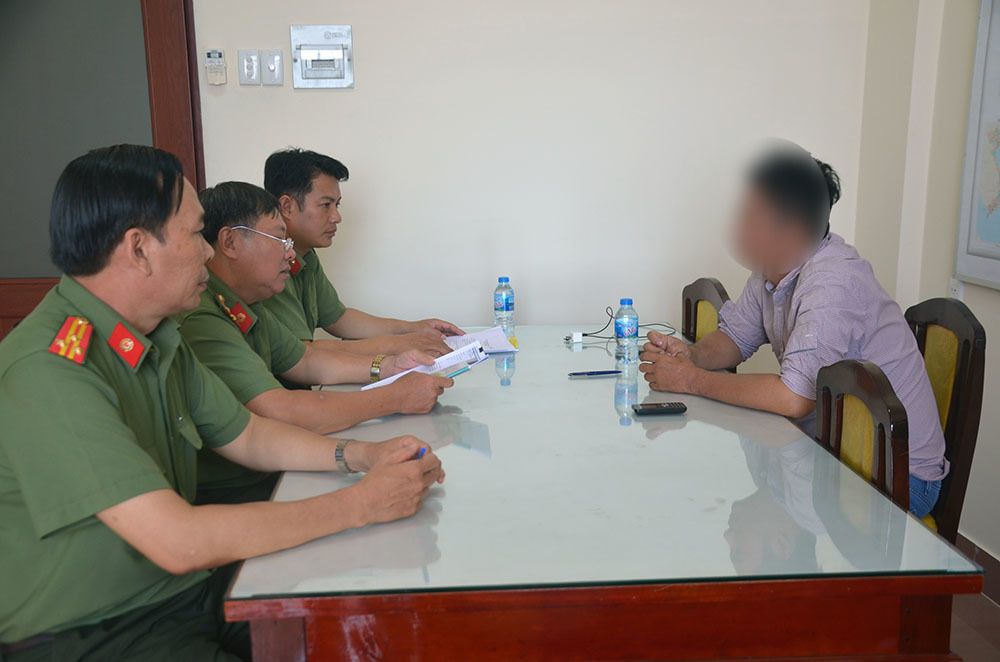
    In January 2019, their Domestic Security Bureau took a university student in and questioned him over his Facebook’s usage, including whether he had joined a group calls “Liking BBC Vietnamese” (Thích BBC Tiếng Việt) – which the police classified as “politically hostile.”

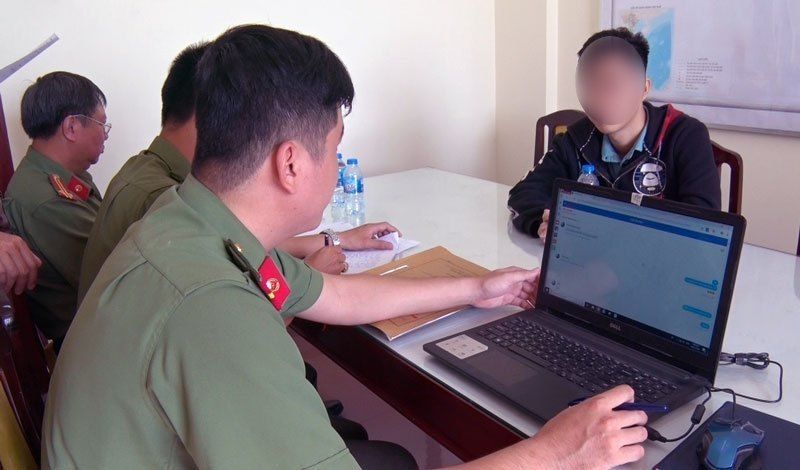
    On February 13, 2019, Vietnamnet newspaper reported that Ben Tre provincial police conducted an investigation and interrogated a 35-year-old man, Phan Chi Toan, about his Facebook’s activities under the username “Phan Rio.”

    Police alleged that the Facebook account calls Phan Rio was conducting “subversion against the people’s government.”

    How did he do it according to the authorities?

    He did so by joining numerous groups, allegedly “politically hostile” towards the Vietnamese Communist Party (VCP) and the State, posting, sharing, and commenting on contents that incited demonstrations, as well as propagating to defame the policies, guidelines, and directions of the VCP and the government.

    The police had not formally charged Toan with a crime but did declare that they would proceed with the case according to the regular procedures.

    The same Vietnamnet’s article further mentioned that the People’s Committee of Mo Cay Bac District, also in Ben Tre Province, had fined a 55-year-old man – Dang Tri Thuc – under Government’s Decree 174/2013/ND-CP, Article 64, Section 4, for using his Facebook account to incite public demonstration in December 2018.

    Accordingly, Thuc, a driver, was accused of using the live-stream feature on Facebook to make video clips, calling on others to protest on a few major road intersections on December 22 and 28. He allegedly admitted guilt, confessed and promised he would not repeat the offense, so the authorities fined him with 15M VND or approximately 650 USD.

    Decree 174/2013/ND-CP, Article 64: Violations against regulations on websites/ news websites

    Section 4. A fine ranging from VND 30,000,000 to VND 50,000,000 shall be imposed for any of the following violations:

    a) Propagating information against the Socialist Republic of Vietnam; sabotaging the bloc of great national unity at a degree of severity which is still not liable to criminal prosecutions;

    b) Propagating information with the aims of inciting war of aggression, causing hatred between ethnic groups or people of countries, inciting violence or propagating reactionary thought at a degree of severity which is still not liable to criminal prosecutions;

    c) Distorting history, denying the revolutionary achievements or offending the nation, people or national heroes at a degree of severity which is still not liable to criminal prosecutions.

    While the right to demonstrate is constitutionally protected in Vietnam, the government had routinely violated this right by applying their Decree 38/2005/NĐ-CP – to regulate “public gatherings – during protests to arrest the participants.

    Since the nationwide mass protests broke out in June 2018 against the draft bills on the cybersecurity law and the development of three special economic zones, the security police have continued to track down those who had participated and made arrests in different cities and provinces.

    The family of a woman names Doan Thi Hong from Binh Thuan Province has recently made a public plea on social media, alleging that Hong was taken into police custody by a group of plainclothes police on September 2, 2018. She was a participant in the same June 2018 protest mentioned above.

    Although she has a young child under 36-month-old at the time of the arrest, which under Vietnam’s laws is a factor to consider against pre-trial detention, her sister claimed that Hong had been arbitrarily kept incommunicado since September of last year.

    According to her sister, Hong was not a dissident and only exercised her right to protest that one time.

    It seems that the police’s recent investigations targetting Facebook’s activities and usage in Vietnam also focus primarily on the average users and not necessarily the more well-known bloggers and dissidents.

  • Vietnamese Police Questioned University Student Over Facebook Postings

    Vietnamese Police Questioned University Student Over Facebook Postings

    On February 1, 2019, the Domestic Security Bureau of Ben Tre Province interviewed Tran Ngoc Phuc, a 21-year-old student of Ton Duc Thang University in Ho Chi Minh City at their station.

    Dong Khoi online newspaper, a publication of the VCP’s Provincial Committee in Ben Tre, published the story on the same day.

    According to the article, the police accused Phuc, a resident of Tan Phu Commune, Chau Thanh District, Ben Tre Province, of using his personal account to propagandizing against the Vietnamese Communist Party and the State.

    Namely, Phuc was using Facebook under the name “Ngoc Phuc” to join several “politically hostile” groups. Among them, was “The South of Vietnam” (Miền Nam Việt Nam), Fanclub of Saigon Capital (Đô thành Sài Gòn Fanclub), and  “Liking BBC Vietnamese” (Thích BBC Vietnamese).

    Phuc also allegedly admitted to the police that he was indeed the Facebooker Ngoc Phuc and that he had posted, shared, and commented on specific contents.

    The police had deemed these contents as materials which “propagandized, sabotaged the thoughts, distorted the direction, objectives, and policy of the VCP, the laws of the State and distorted (the image of) the leader Ho Chi Minh.”

    Formal charges against Phuc had not been filed, but the police indicated that they would continue to build the case and follow the regular legal procedures in this case.

    During the first month since the new Cybersecurity Law took effect in Vietnam on January 1, 2019, there were several reports that the police had questioned and detained some Facebookers.

    Rights groups, online campaigners, bloggers, activists, and dissidents continuously criticize the new law for further curtailing freedom of speech and shrinking the online civic space in Vietnam.

  • Former Political Prisoner, Truong Duy Nhat, Disappeared In Thailand After Seeking Refugee Status With UN

    Former Political Prisoner, Truong Duy Nhat, Disappeared In Thailand After Seeking Refugee Status With UN

    Last Friday, January 25, 2019, former political prisoner, Truong Duy Nhat, was last seen at the office of the UN HCR – The Refugee Agency in Bangkok, Thailand.Nhat was there to register himself as an asylum seeker after leaving Vietnam earlier in the month.According to his family and friends, no one had heard from him since last Saturday, and they could not contact him.Nhat has left Vietnam for Thailand for about 21 days, said his family.The family was able to confirm that Nhat was not held by Thailand’s IDC (Immigration Detention Center). They also obtained further information today that Thai authorities, up to this point, did not arrest Nhat either.Nhat’s phone number in Thailand is not turned off, but no one answered the calls. His wife and daughter are worried about his safety and well-being as they are still unable to get in touch with him.Truong Duy Nhat was sentenced to two-year-imprisonment in 2014 under Article 258 of the 1999 Penal Code. Nhat was arrested in May 2013 and held in detention until his trial.The government alleged some of his blog entries on the Blog “Another Point of View” (Một Góc Nhìn Khác) was “abusing democratic freedoms to infringe the interest of the state”.His blog was indeed critical of the government and the leaders of the Vietnamese Communist Party.One of the entries published in April 2013 was calling for the resignation of Prime Minister Nguyen Tan Dung and the VCP’s General Secretary Nguyen Phu Trong for their perceived political and economic mismanagement.After his release in 2015, Nhat continued with his blogging and resided in Da Nang, Vietnam.Nhat’s wife is still in Vietnam, but his daughter is studying in Vancouver, Canada. They are asking members of the public to come forward with any useful information regarding his whereabouts.

  • Vietnam: Court Sentenced Doctor For Involuntary Manslaughter, Ignited Public Outrage

    Vietnam: Court Sentenced Doctor For Involuntary Manslaughter, Ignited Public Outrage

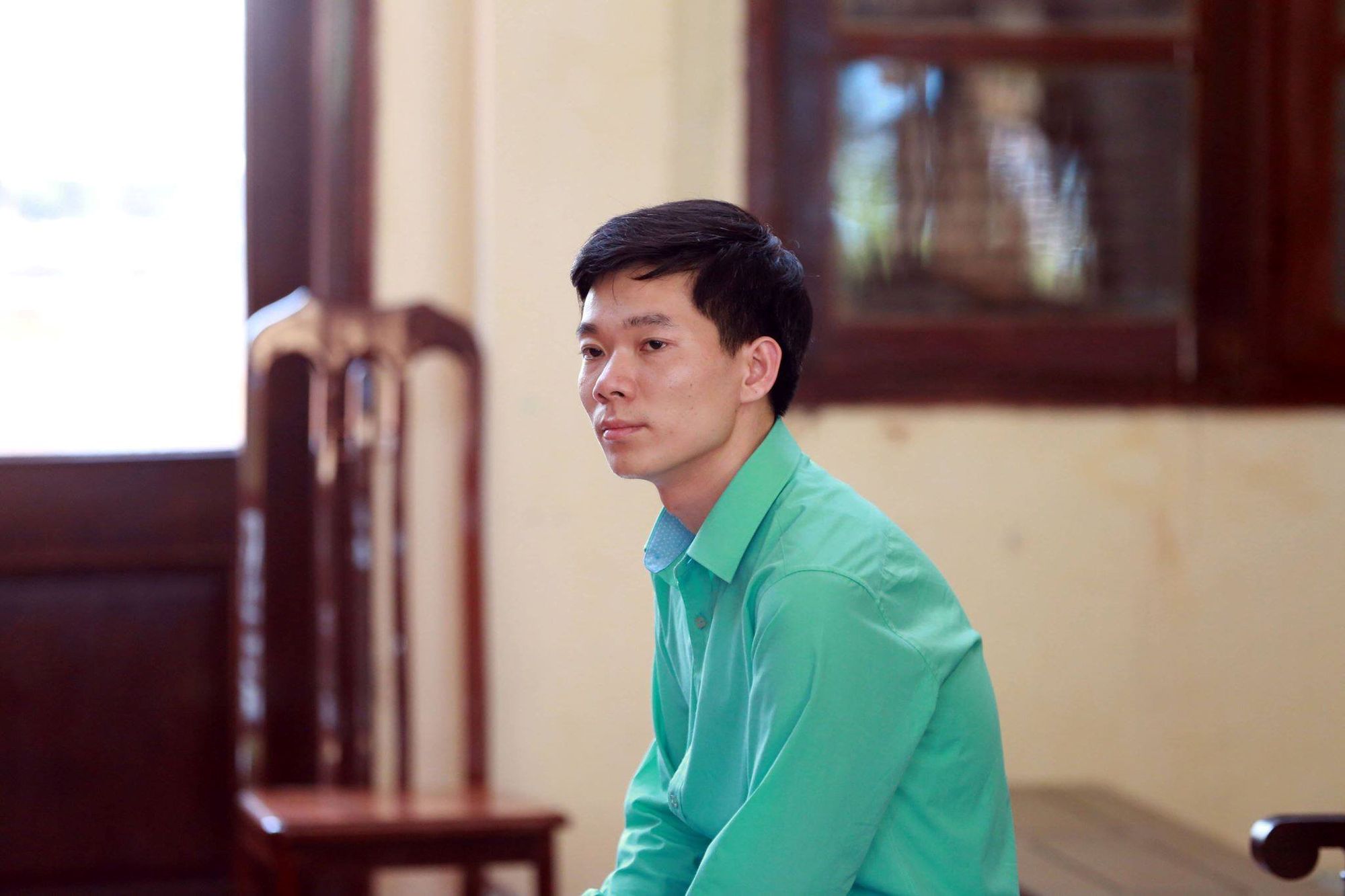
    On January 30, 2019, The People’s Court of Hoa Binh Province found Dr. Hoang Cong Luong guilty of involuntary manslaughter and sentenced him to 42-month-imprisonment.

    The verdict caused an outcry across different sectors in Vietnam’s society, especially among other doctors who did not agree with the court’s reasoning.

    They believed that Dr. Luong did not breach his duty of care as a medical doctor.

    Dr. Luong was a former nephrologist at Hoa Binh General Hospital who was charged with involuntary manslaughter for failing to check the RO (reverse osmosis) water before initiating a hemodialysis treatment in May 2017, causing 18 patients to suffer anaphylactic-like symptoms – eight of whom later died as a result.

    A total of seven people were put on trial this year for “involuntary manslaughter” under Article 98 and “negligence of responsibility, causing serious consequences” under Article 285 of the 1999 Penal Code.

    The case was initially tried in May 2018 where Dr. Luong was charged with Article 285. The court dismissed the case and returned the file to the prosecution for re-investigation in June 2018.

    The prosecution came back and formally filed charges against Dr. Luong for involuntary manslaughter in December 2018. The second trial commenced in January 2019.

    According to the trial court’s verdict of yesterday, Dr. Luong was guilty because he failed to wait for the documentation confirming the water’s safety before initiating the dialysis. Instead, Dr. Luong relied on the verbal confirmation of the staff in charge.

    The court’s reasoning also put Dr. Luong in the position of a gatekeeper, which many doctors disagreed and argued that would have required nephrologists to be more than medical service providers.

    According to these Vietnamese doctors, the failure to wait for the appropriate documentation was only an administrative mistake, not enough to constitute his criminal culpability.

    They also argued that other doctors would have used the same method as Dr. Luong because having the documentation – in reality – does not make any difference compares to the verbal confirmation of the staff before starting the dialysis. Delaying the dialysis to wait for the documentation could also cost the patients their lives.

    According to the community of doctors standing with Dr. Luong, when faced with such circumstances, whether he had waited for the documentation or went ahead with a verbal confirmation, nothing could have changed the fact that the water was contaminated and Luong could never detect such contamination.

    The evidence at trial also established that the water in question was contaminated due to improper cleaning performed by the maintenance staff.

    One of the witnesses, Nguyen Huu Dung, the Head of the Dialysis Department of Bach Mai Hospital in Hanoi, testified that the responsibility to maintain the water safety was one of the maintenance department, not the treating physician.

    Regardless of the testimony from the experts and the doctors’ community standards, the court still decided Dr. Luong had committed involuntary manslaughter.

    Throughout the process, not only the public and the doctors’ community stood by Dr. Luong, but all of the victims’ families have also pleaded with the court to exonerate him. Their action constituted one of the conditions under Vietnam’s laws which could exempt Dr. Luong from criminal liability under Article 29, Penal Code of 2015.

    While the new penal code only took effect on January 1, 2018, which was after the alleged medical malpractice had happened, Vietnamese laws allowed the retroactive application of any section that could have benefited the accused.

    For his defense, Dr. Luong should have been able to use any section involving the extenuating circumstances, and other exemptions from criminal liability under the recently amended 2015 Penal Code, to defend his action. That did not happen.

    The public outrage, in this case, started since its commencement where the director of the hospital, Truong Quy Duong, was first exempt from prosecution and was able to leave the country to go abroad to Canada back in 2018.

    Due to public pressure and Dr. Luong’s lawyers’ argument, he was later charged with negligence and had to return to stand in the second trial.

    Other doctors had pointed out that the absence of a national standard for dialysis procedures should make the Ministry of Health liable in this case as well.

    The case also revealed more unanswered questions regarding the maintenance of the RO water system being used in dialysis at Hoa Binh General Hospital.

    As the director of that hospital, should the responsibility of overseeing the maintenance and operation of all departments belongs to Truong Quy Duong, and that he should have been ultimately held liable for the death of the patients?

    The case of Dr. Hoang Cong Luong has become one of the most controversial criminal cases in recent years, underlining issues that challenge Vietnam’s legal system today and in years to come.

    People questioned the neutrality and fairness of the court and the role of the prosecution in this case. Was the prosecution’s decision to file charges against Dr. Luong for involuntary manslaughter done according to laws?

    Not only there is a lacking of the standard of care for doctors in medical malpractice cases in the country, but also, there are other criminal procedures’ issues that urgently need reform, such as evidence admissibility and the standard for expert witnesses’ testimony.

  • State-Owned Media Features Police Brutality With Neutral Headline, Sparks Debate

    State-Owned Media Features Police Brutality With Neutral Headline, Sparks Debate

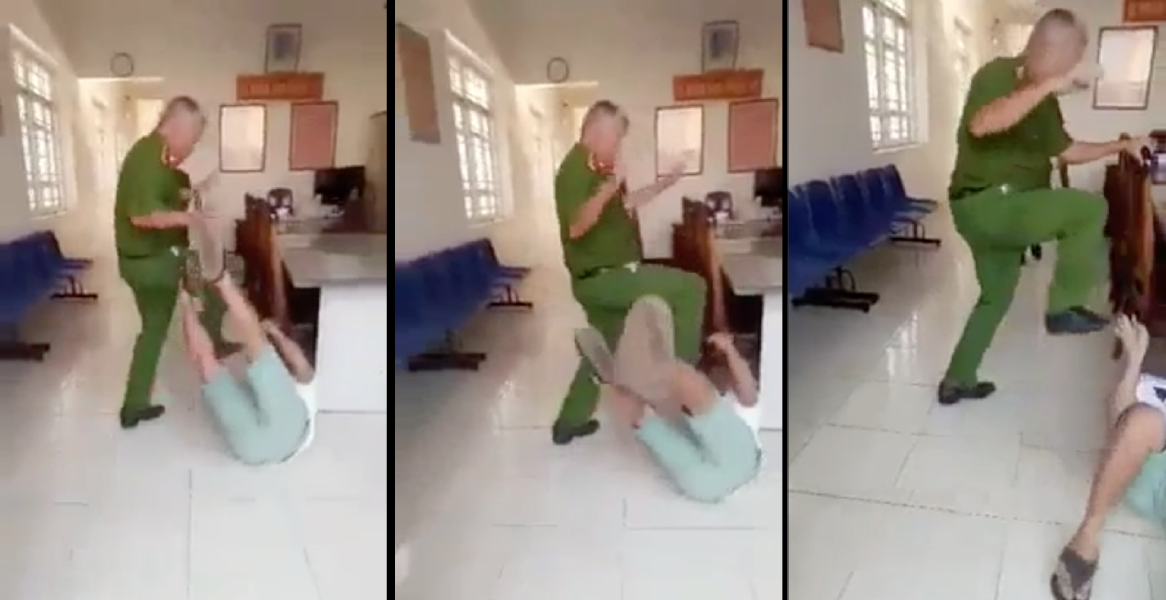
    Yesterday evening, January 29, 2019, Facebookers in Vietnam were circulating a video clip showing a gentleman lying on the ground while another, older man in police uniform was stomping on him, hitting him on the face, head and chest area.

    By the afternoon of January 30, 30219, the story got featured on Tuoi Tre online – one of the largest newspapers in Vietnam. It was one of the rarer times where one could find stories of police’s misconducts featured quickly on state-owned news right after making waves on social media.

    While Tuoi Tre was able to confirm the story and interviewed a supervisor of the police officers involved in the incident, many netizens became very critical of its headline which states: “Temporary Suspension of Deputy Ward Police Officer Using Feet to ‘Take Action’ on Witness.”

    The criticisms targeted the headline for de-escalating an incident of police brutality into something a lot less severe by using vague and ambiguous language like “take action.”

    The term “take action” was actually used by the Head of Tuy Hoa Police Department, Nguyen Van Dung, in his interview with Tuoi Tre regarding the incident.

    Some freelance journalists believed that Tuoi Tre practiced too much self-censorship and that in this situation, they could have used the word “stomp” and would not face any disciplinary action from the Central Committee of Propaganda. Later in the day, another online newspaper, Phap Luat of Ho Chi Minh City also published the same story and used the word “stomp” in the headline.

    Tuoi Tre was slammed with an order to pay a total fine of VND220 million (close to USD10,000) in July 2018 along with a 90 days suspension.

    Back then, the government issued such order after finding that Tuoi Tre had reported news that was “untrue” and causing “severe impacts” when it published an inaccurate story about the late President Tran Dai Quang’s comment on the Law on Demonstration and failed to remove a “nationally divisive” comment left by a reader on another article.

    However, with this story, some readers did come to the defense of Tuoi Tre, stating that it was a clever way of playing with words to get the people’s attention. Also, it should be okay for Tuoi Tre to quote a word used by a person they have interviewed.

    To these people, what more important was the fact that Tuoi Tre dared to swiftly report the incident at length, letting the victim provided a detailed description of the events.

    The victim in the incident was Le Huu Quoc, a resident of Phu Thanh Ward, Tuy Hoa City, Phu Yen Province. Quoc was a witness in an altercation between two other men.

    According to Quoc, he and another person were trying to break up the fight of two others, and the local police have asked all of them to come to the station.

    At the police station of the local ward, Quoc was physically assaulted – as seen in the video clip – by the deputy chief Huynh Minh Le.

    Quoc told Tuoi Tre that when he was at the police station, officer Le started yelling at him, strangled his neck, pushed him to the ground and used his feet to stomp on Quoc. Another officer came and stopped Le.

    After Quoc came home from the station, the police officers – who were fully armed – also arrived at his house later that night, asking him to go back and provide more statement. Quoc refused because he was scared from the treatment he received earlier.

    Quoc said: “I was only a witness, but they had to call a fully armed police force to come and get me like a criminal, causing damage to my reputation. Further, I already came to the station earlier and got beaten up by the deputy chief so I would not go again.”

    Confirming with Tuoi Tre, the Head of Tuy Hoa City Police Department, Nguyen Van Dung, acknowledged the incident and informed the public that the involved officer had been put on leave.

    Vietnam faced increasing public complaints regarding police brutality in recent years. After its first review under UN’s Convention Against Torture in 2018, the government is due to elucidate about five individual cases of death while in police custody by December 7, 2019.

    The debate about Tuoi Tre’s decision to publish the story and its use of certain language for its headline could be continued in the days to come regarding the practice of state’s censorship and self-censorship.

    In the meanwhile, the fact that the story of Le Huu Quoc quickly made the headlines shows the inconvenient truth about police brutality in Vietnam: it continues to happen around the country at an alarming rate, causing detrimental effects on the people and society as a whole.

  • Nguyen Phu Trong Released Carp In Celebration Of Tet While Refused To Pardon Tran Huynh Duy Thuc

    Nguyen Phu Trong Released Carp In Celebration Of Tet While Refused To Pardon Tran Huynh Duy Thuc

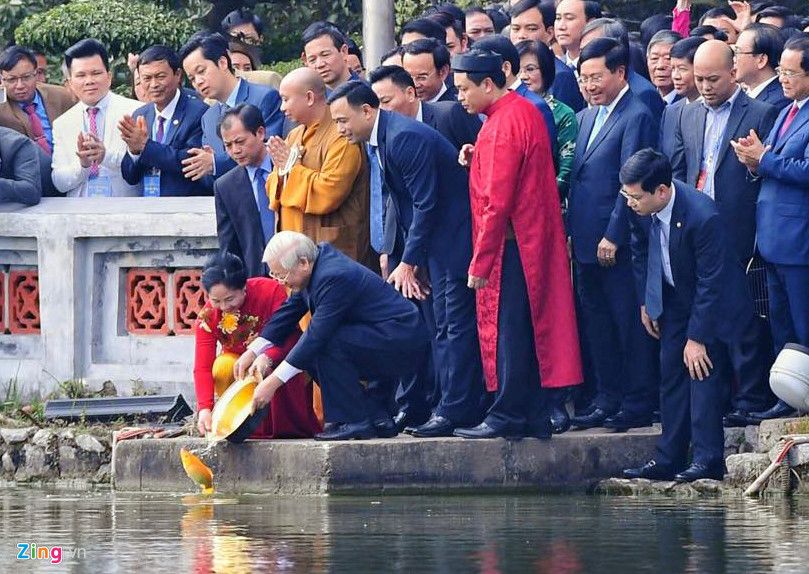
    One of the most widely circulated pictures on Vietnam’s social media in the last 24 hours was probably the picture of President Nguyen Phu Trong releasing a carp into Hoan Kiem Lake on January 26, 2019.

    President Trong was with a group of overseas Vietnamese who were part of a government’s sponsored program to come back to Vietnam to celebrate Tet – which will be on February 5, 2019.

    In Vietnam, like some of its neighboring countries, the Tet’s celebration starts almost a month before with many rituals that have been around for generations.

    Releasing carps into ponds and lakes has been a part of the annual celebration of Tet in some regions of Vietnam, probably more in the Northern provinces than in the South.

    It is being done during the ritual of sending the Kitchen God up to heaven so that he could make the report to the Jade Emperor on the 23rd of the 12th month under the Lunar calendar.

    The carp is believed to be the vehicle that could take the gods up to the sky because of the folklore widely circulated in East Asian cultures: “carp leaping over the dragon’s gate”.

    Moreover, the act of releasing – phóng sinh (放生) – captured carps, birds, and other animals, is believed to be done out of mercy and benevolence in Vietnamese culture.

    Unfortunately, as time goes by, this practice has given rise to other social problems, such as the illegal captures of birds and animals, as well as environmental issues when people release not only the carps but also the plastic bags they use to carry the fish to the releasing waters.

    However, some netizens were criticizing Trong for engaging in the practice of “releasing” this year for an entirely different reason.

    About a week ago, Tran Huynh Duy Thuc’s family and lawyer announced the government still refused to either grant a review of his case or pardon him after 12 petitions and one complaint against the Office of the President.

    Thuc is currently serving his tenth-year of the 16-year-sentence for “subverting against the people’s government” for calling for political pluralism and democracy in the country.

    The criticizing netizens raised the issue that if the government is still detaining over 200 political prisoners, charging them with vaguely defined crimes when they were only exercising their rights to express their political opinions peacefully, then what is the benevolent meaning behind the releasing of the carps by the president?

    Notwithstanding the political dissidents, there are also four wrongful convictions involving the death penalty which President Trong has continued to stay silent about their status. Three of these inmates have spent more than a decade on death-row while the evidence used to convict them have been proven to be improperly admitted.

    Some people believe that it would have been a lot more meaningful for the President of Vietnam to consider releasing citizens who were wrongfully convicted during this time of the year.