Author: The Vietnamese Magazine

  • Vietnam Briefing: The Election Results Are In. Here Comes 5 More Years Of Party Domination

    Vietnam Briefing: The Election Results Are In. Here Comes 5 More Years Of Party Domination

    The Vietnam Briefing, which is released every Monday morning Vietnam time, looks at Vietnam’s political developments of the past week.


    The 2021 National Assembly Election Results Are Here

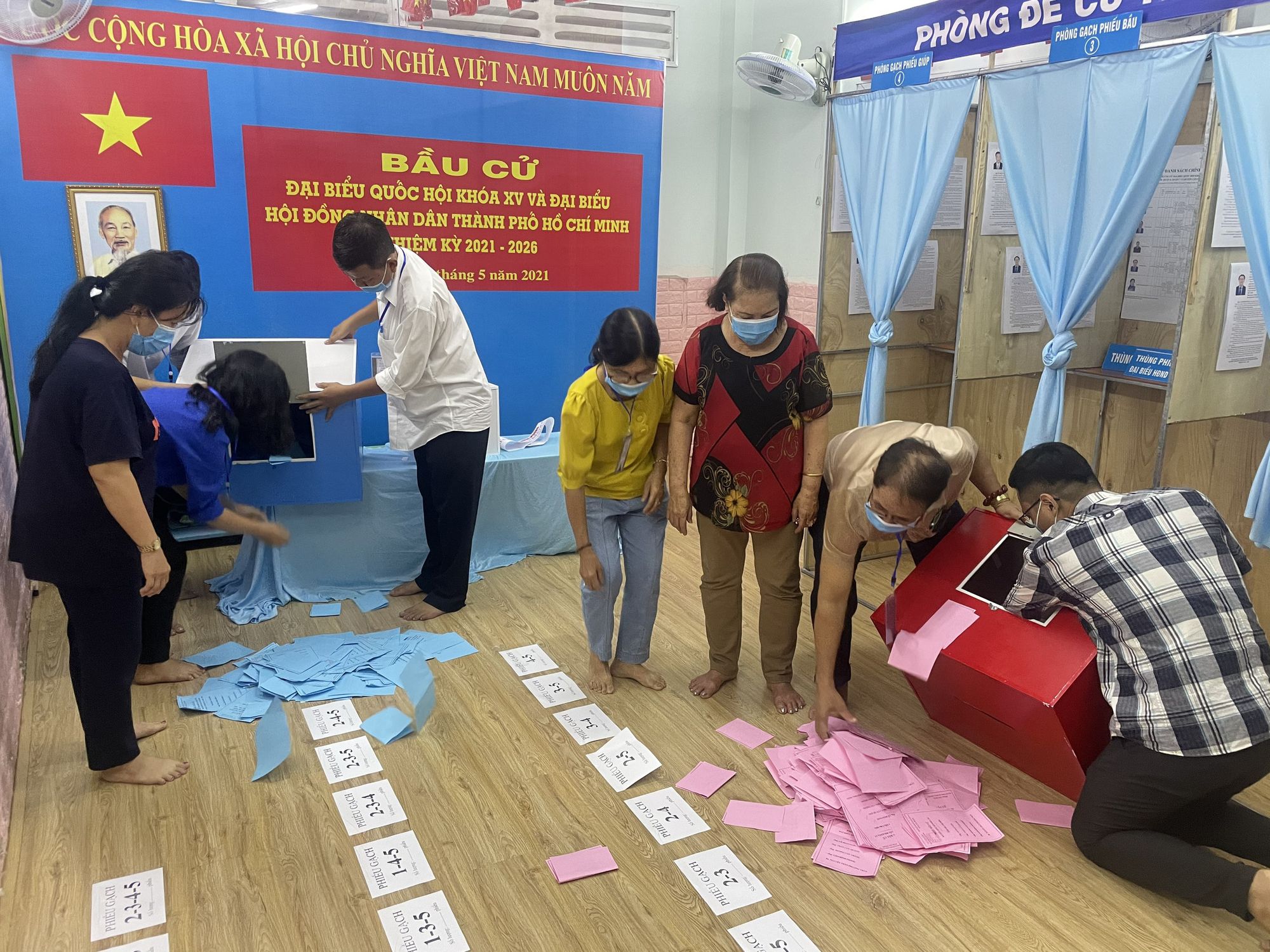
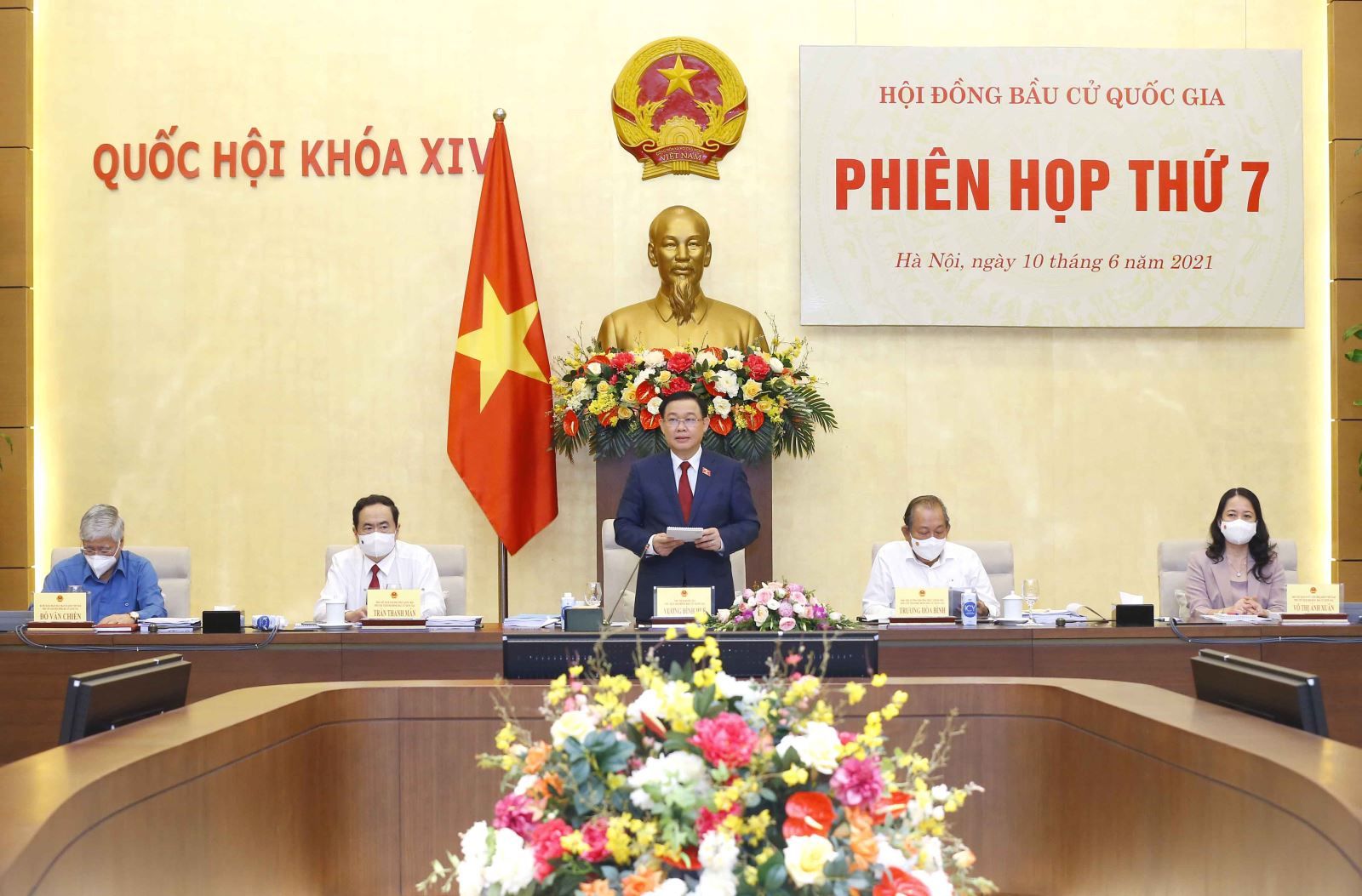
    Last week, the election results for the 15th National Assembly were finally released. The list includes 499 elected officials to the legislative assembly out of a list of 866 nominees in the competition pool. The members of this National Assembly will serve five-year terms until 2026.

    There are supposed to be 500 seats, but one elected candidate was reportedly disqualified due to health issues.

    A performative election? The highlight of the election was the election of “star candidates” – the well-known, high-ranking candidates of the Party who hold the most critical leadership positions in the Politburo.

    Notably, the “four pillars” of the Politburo have an extremely high number of votes, ranging from around 93 to almost 100 percent. The “four pillars” include President Nguyen Xuan Phuc, Prime Minister Pham Minh Chinh, Parath Secretary-General Nguyen Phu Trong, and the Chairman of the National Assembly Vuong Dinh Hue.

    Other Politburo members also have a very high number of votes of  at least 90 percent, with only one exception of about 75 percent.

    This was expected because elections in Vietnam are not democratic but rather a chance for the Vietnamese Communist Party (VCP) to demonstrate that its most important members are famously beloved by the people.

    As expected, the election resulted in Party domination: Out of the 499 elected officials, only four were self-nominated candidates.

    The list includes Hoang Van Cuong, vice-president of the public National Economics University; Nguyen Anh Tri, president of the state-controlled National Institute of Hematology and Blood Transfusion; Truong Trong Nghia, deputy chairman of the Ho Chi Minh City Bar Association, and Khuong Thi Mai, managing director of Namsung Aluminum Co., Ltd., a company established in 2014 with full funding from the state.

    All of the self-nominated candidates elected are members of the VCP. This is not surprising, considering the 2016 National Assembly election, in which only two self-nominated candidates were elected, both also Party members. The self-nominated candidates in this year’s election accounted for less than 1 percent of the entire legislative assembly.

    Originally, there were 75 self-nominated candidates, but only nine candidates made it to the final ballot after a rigorous process of elimination, which is known for filtering out dissidents.

    Additionally, it is reported that there are 14 non-party nominees who were elected. However, these non-party candidates were nominated by VCP organizations, making them still tied to the Party. The number of non-party officials only account for 2.8 percent of the whole Assembly.

    According to the state-controlled Vietnam News Agency, the election had a turnout rate of 99.6 percent. The turnout rate  in Vietnam has always been extremely high, and has always been used by the regime to argue that elections are democratic and representative of the people’s will.

    The state also reports that 30 percent of the new National Assembly are women, and around 17 percent are people of ethnic minorities. While this was supposed to illustrate how progressive and representative the new National Assembly is, this is mostly just performative. Since these officials are still tied to the Party one way or another, their independent decision-making power is extremely limited.

    Only less than 10 percent of the new members are people under the age of 40.

    Unfortunate, but not surprising: Luong The Huy, the first openly gay candidate to run in the National Assembly and the People’s Committee election in Vietnam, did not make it in either election. This was expected as Huy was not only a young candidate from a minority background; he was also not affiliated with the VCP and was not endorsed by any VCP organizations.

    To ensure its power in the legislative branch, the VCP has a history of vote manipulation against non-party, independent self-nominated candidates. The election system itself is also known to be rigged against non-VCP candidates.

    Read more on The Vietnamese Magazine’s coverage of Luong The Huy in this election here.


    Another Free Speech Crackdown

    For the past month, since the 2021 elections started to take shape in Vietnam, there has been at least one new case of the regime cracking down on political dissidents every week.

    Last week was no exception: Dang Hoang Minh, an ordinary Facebook user, was sentenced to seven years in prison under the charge of “making, storing, distributing or disseminating information, documents, and items” against the state. This is Article 117 of the Penal Code, commonly used by the regime to crack down on free speech. Just two weeks ago, the same charge was brought against Le Dung Vova, an independent blogger now wanted by the police.

    According to the state-controlled media, Dang Hoang Minh was arrested and charged for uploading to Facebook “information which falsely accused and insulted the leadership credibility of the Party…” Though the state media did not specify what Dang Hoang Minh was accusing the Party of, he was also said to be “insulting the great leader Ho Chi Minh.”

    Since the beginning of this year, at least 21 Vietnamese citizens have been arrested and imprisoned due to their activities on social media, according to Radio Free Asia. All of the dissidents in these cases were charged with Article 117.


    The Situation in the South China Sea

    Last week, Vietnam’s Ministry of Foreign Affairs was busy denouncing actions in the contested Paracel and Spratly islands (known in Vietnamese as Truong Sa and Hoang Sa islands).

    While these denunciations usually concern China, the actions last week came from the Philippines and Taiwan, though the Vietnamese official communication channels generally regard Taiwan as a part of China.

    Derek Grossman, a senior defense analyst of the RAND Corporation, wrote on his social media that the situation in the South China Sea last week was a “useful reminder that China isn’t the only maritime counterclaimant Vietnam is concerned about.”


    COVID-19 in Vietnam

    The Covid-19 situation has not evolved much since the last briefing. The only notable development was perhaps the US putting Vietnam into the “safest for travel” category, although the situation in Vietnam has been rather messy for the past couple of weeks.

    For more information on the general COVID-19 situation in Vietnam, see here.


    Learn more about Vietnam

    China moves forward in soft power struggle for Southeast Asia

    Mark Valencia/Asia Times/ June 10, 2021

    “Remarkably, the US has failed to take full advantage of China’s diplomatic “own goals” – its incursions into Indonesia’s EEZ, its massing of fishing boats in the Philippines’ EEZ, and its maritime provocations of Malaysia and Vietnam in their claimed waters.

    To regain and retain its moral leadership, the US needs to demonstrate that its values and system of government are the best of all for all and that it can and will maintain a competitive edge with China economically and technologically, not just militarily.”

    Why Vietnam Needs to Adopt a Biological Defense Strategy

    Phuong Pham/The Diplomat/June 07, 2021

    “Once regarded as a role model for its successful containment of COVID-19, Vietnam is now in the midst of its fourth wave, its worst since the beginning of the pandemic. Even worse, the stringent measures that previously helped Vietnam put the virus under control have been relatively ineffective, illustrated by the surge in infections since the end of April. This raises a great concern for Vietnam not only with regard to COVID-19 but also on its ability to counter biological threats writ large. With this in mind, Vietnam should establish a national strategy on biological defense in order to help it counter biological threats more effectively, given the current inadequacy of the country’s biological defense capabilities.”

    Vietnam Approves Chinese COVID-19 Vaccine, Reluctantly

    Sebastian Strangio/The Diplomat/June 09, 2021

    “Vietnam’s communist leadership has shown great caution in becoming further indebted to a nation that many Vietnamese – including many within the party and government – view with suspicion.”


    Events to watch this week:

    Webinar: Southeast Asia, the United States and China: Stumbling into the New World Order

    Date: June 18, 2021

    Organizer: ISEAS-Yusof Ishak Institute
  • Vietnam Briefing: Busy With The Pandemic, But The Government Still Cracks Down On Free Speech

    Vietnam Briefing: Busy With The Pandemic, But The Government Still Cracks Down On Free Speech

    COVID-19 in Vietnam: From Panicking to Pointing Fingers

    For the past two weeks, Vietnam has been in a panic as it supposedly discovered a new COVID-19 variant in the country, which is the mixture of the variants found in the United Kingdom and India. As it turns out, the World Health Organization (WHO) declared that the virus found in Vietnam is not a “new hybrid variant” but rather a part of the existing strain found in India, according to Nikkei Asia.

    WHO’s representative in Vietnam, Kidong Park, said that more observation and monitoring are needed for the next few weeks. For now, the WHO does not alert a new strain of COVID-19 in Vietnam.

    How is the vaccination situation in Vietnam? As mentioned in previous briefings, Vietnam only has the AstraZeneca vaccine widely available in the country. It has been talking to Pfizer and Moderna to either import the vaccines or produce them domestically. Vietnam is also said to be producing the Russian vaccine Sputnik V, and the country is developing its own vaccine. Despite this effort, the country has a meager vaccination rate of only roughly 1 percent of the population so far. Most of those vaccinated have been health workers, diplomats, and the police and military.

    New vaccination developments last week: After resisting China’s vaccine diplomacy for a while, the Chinese vaccine Sinopharm was approved for emergency use by the Ministry of Health this past week. However, public opinion, filled with anti-China sentiment, seems to be resisting the Chinese vaccine. In contrast, people prefer Western developed vaccines and Vietnam’s homegrown NanoCovax vaccine, which is still in trial.

    This move by the Vietnamese government could be seen as a desperate effort to curtail the rising COVID-19 cases in Vietnam and expand the number of vaccinations done in the country. With the anti-China public opinion, however, the government will have a hard time popularizing the Sinopharm option for the Vietnamese people.

    The Vietnamese government has also set up a COVID-19 fund to manage financial resources for buying and producing COVID-19 vaccines. The government aims to reach a $1.1 billion benchmark for the fund to either acquire or make at least 150 million vaccine doses for the country of 100 million people. The government has been fund-raising from people inside as well as outside the country. So far, this fund has received around 200 million dollars (6,600 billion dong) in direct donations and donation guarantees.

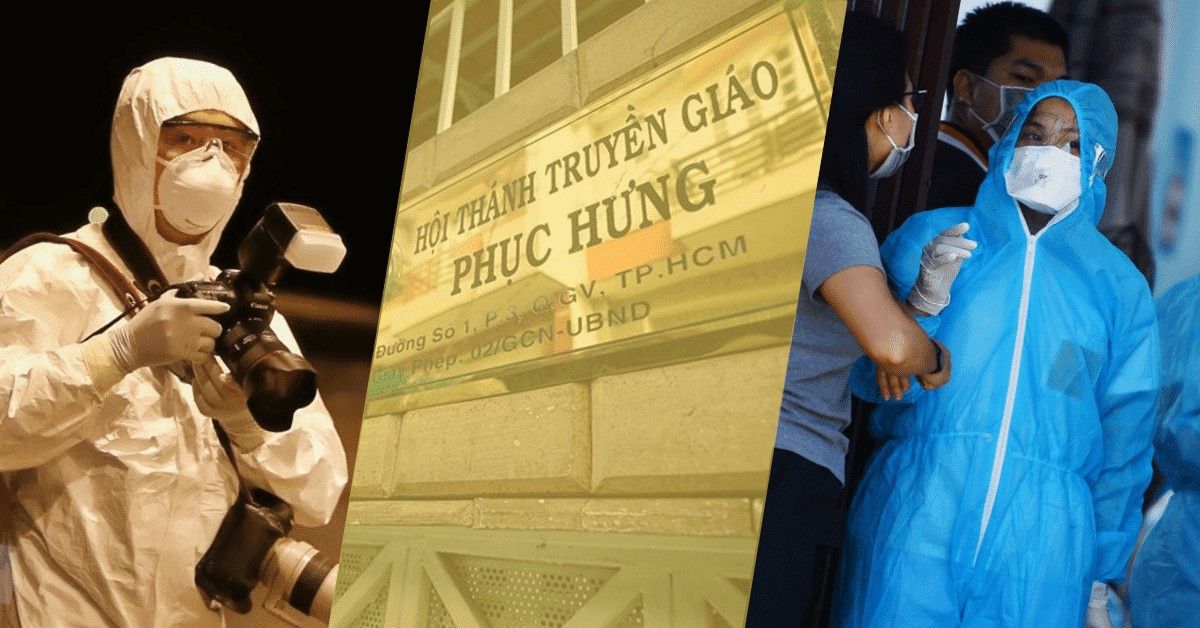
    A new pandemic scapegoat? Since the outbreak in Vietnam became worse, a group of Vietnamese Christian missionaries has been at the target of accusations by the Vietnamese state media. The Protestant group, known as the Revival Ekklesia Mission (Hội thánh Truyền giáo Phục hưng), has been associated with at least 145 cases of COVID-19 infections. The Vietnamese state press reported that the group did not impose social distancing and failed to use masks in its gatherings.

    With some inconclusive details, the state media and public opinion have been extremely harsh on the group, with people posting hateful comments all over the group’s social media. The situation leaves many wondering whether the state-controlled press was scapegoating the religious group as an easy target to blame for the new outbreaks, considering Vietnam’s stigmas surrounding non-Buddhist religious activities.

    Vietnam has now banned gatherings of more than 10 people. This move is seen as a response to the religious group’s new infections.


    The government is cracking down on another blogger

    Last week, the Vietnamese government issued a warrant to search for blogger Le Van Dung, also known as  Le Dung Vova, under the charge of “making, storing, distributing or disseminating information, documents, and items against the Socialist Republic of Vietnam,” according to Article 117 of the Penal Code.

    Le Dung Vova is a blogger who uses his independent platform CHTV to broadcast critical opinions about the government on social media. Previously, in 2019, he was detained by the government when he was live-streaming about the US-North Korea summit in Hanoi. He was detained again later in 2019 when he and his colleagues in CHTV were attending a workshop on the South China Sea. The blogger was eventually released on both occasions.

    Recently, in late May, the police tried to arrest him again under the same charge but failed. The police are said to have gone to his residence to arrest him, but only met his wife and children. According to a report published by BBC Vietnamese, the police confiscated a laptop and two smartphones in his house.

    Article 117 of the Penal Code is one of the typical charges that the regime uses against bloggers and political dissidents. Some other charges include “disrupting security” (Article 118), “abusing democratic freedoms” (Article 331), and “resisting officers in the performance of their official duties” (Article 330).


    The Communist Party celebrates 110 years since Ho Chi Minh’s departure to “seek national liberation”

    Occupied with the COVID-19 pandemic and cracking down on free speech, the government did not forget to continue its propaganda work. Last week, the state-controlled news in Vietnam was flooded with stories about Ho Chi Minh in foreign countries (France, China, Hong Kong, and Russia).

    110 years ago, Ho Chi Minh was said to have left Vietnam to embark on a journey to other countries in order to find a way to liberate the nation. Saigon, now named Ho Chi Minh City, also held a ceremony in the Ho Chi Minh Museum to celebrate “110 years since the late leader’s start on a journey to look for ways to save the country from the colonial yoke,” according to the state-controlled Vietnam News Agency.

    Ho Chi Minh, seen as the founding father of the socialist state and the nation’s liberator, has always been a prominent political figure used by the Communist Party for its propaganda efforts in order to retain power. The Vietnamese Magazine’s series on Ho Chi Minh and how his figure has been worshipped and utilized by the Communist Party can be found here and here.


    Learn more about Vietnam

    Coronavirus: Vietnam approves Sinopharm’s vaccine, but will people take it?

    South China Morning Post/Sen Nguyen/June 05, 2021

    “The news that theWHO has approved China’s Sinovac and Sinopharm vaccines for emergency use, allowing them to be included in the global vaccine-sharing Covax initiative, did little to ease the resistance against Chinese-made vaccines in Vietnam.”

    No Trade-Off: Biden Can Both Deepen U.S.-Vietnam Ties and Promote Human Rights

    Center for Strategic & International Studies (CSIS)/Bich T. Tran/June 03, 2021

    “To improve trust with Vietnam, U.S. policymakers should differentiate revisionist states like China from status-quo communist regimes like Vietnam. A revisionist state seeks to undermine the established international order for the purpose of increasing its relative power in the system. The concept, therefore, concerns a state’s behavior in international affairs. Meanwhile, a communist regime is a matter of domestic politics. China’s excessive claims, reclamation, and militarization of disputed features in the South China Sea; bullying of other claimants, including Vietnam; and engagement in unfair predatory economic practices are signs of a revisionist state. They are not necessarily characteristics of a communist regime. This distinction will help define and develop the U.S.-Vietnam relationship. Furthermore, the Biden administration should reaffirm its respect for Vietnam’s political system.”

    Keeping Strategic Anxieties at Bay: Growing Japan-Vietnam Bonhomie

    The Diplomat/Rahul Mishra/June 4, 2021

    “As one of the fastest emerging regional economies, Vietnam holds a key position in the emerging Indo-Pacific dynamic. A robust and long-term trade and investment partnership with Japan is significant in that context. Both countries are according greater importance to each other, which is manifested in recent initiatives taken by Japan’s Prime Minister Suga Yoshihide. For one, his first foreign visit as Japan’s prime minister was to Vietnam (and then Indonesia) in October 2020, which is a testimony to Japan’s commitment to Vietnam (and the wider ASEAN region). Diplomatic exchanges between the two countries had become regular and more institutionalized under former Japanese Prime Minister Abe Shinzo.”

    Research: Anglo–Vietnamese diplomatic relationship in the seventeenth century: the case of the English East India Company

    International Journal of Asian Studies (Cambridge University Press)/Ngoc Dung Tran/June 02, 2021

    “Drawing on primary materials from the English East India Company (EIC) archives in the British Library (London, UK), this article investigates the early diplomatic encounters between England and Vietnam (Tonkin and Cochinchina) in the seventeenth century. Previous studies have mostly focused on the English trade in Vietnam in that period and their diplomatic missions from the late eighteenth century to 1858 but partly neglected their diplomacy in their first connections with Vietnam (1614–1705). This article thus investigates how the EIC adapted its gift-giving diplomacy to the diverse and shifting political landscape of the Tonkin and Cochinchina kingdoms. While the Trịnh Lords in Tonkin severely limited diplomatic and trade exchanges with EIC agents and other European traders, the Nguyễn Lords in Cochinchina welcomed relations with EIC representatives as it served their ambition to facilitate trade and establish military alliances with other powerful actors in the region.”

  • Vietnam Briefing: The Elections Results Have Started To Be Released

    Vietnam Briefing: The Elections Results Have Started To Be Released

    The Vietnam Briefing, which is released every Monday morning Vietnam time, looks at Vietnam’s political developments of the past week.


    The first openly gay candidate lost the People’s Committee election

    Luong The Huy, the first openly gay candidate, and a non-Party member self-nominee lost his election bid to the People’s Committee of Hanoi. In the list of elected candidates published last week, Luong The Huy was not among the 95 elected representatives for Hanoi’s People’s Committee.

    In Vietnam, there are two elections: the People’s Committee election and the National Assembly election. Each province has its own People’s Committees at the provincial, district, and commune levels, while the National Assembly represents the central government’s legislative body. Luong The Huy ran for both the National Assembly and Hanoi’s People’s Committee.

    Both elections follow the bloc voting system, in which a province is divided into different voting blocs based on the province’s districts. Each voting bloc typically elects 3-4 representatives to the People’s Committee from the competition pool of around 5-6 candidates.

    For his People’s Committee election, Huy was placed in voting bloc number 04 in the Hai Ba Trung District. The people who got elected over Huy are all Party members with a prior history of either serving the Vietnamese Communist Party (VCP) or the People’s Committee of Hanoi. The list includes Nguyen Van Nam, the secretariat of the VCP in Hai Ba Trung District, Ho Van Nga, ex-representative on the Committee, and Duong Duc Tuan, ex-vice chairman of the Committee.

    All of these elected candidates are around 51-56 years old. For comparison, Huy is 32 years old.

    These elected candidates are going to serve on the People’s Committee of Hanoi for the next 5 years.

    What’s next? The National Assembly election has not released its results. However, it is very unlikely that he will be elected for the National Assembly.

    Why? Elections in Vietnam have always been rigged against self-nominated, non-Party candidates through various means. The number of self-nominated representatives in the National Assembly has never exceeded 15 percent. In the 2016 election, only two self-nominated candidates got elected – and both of them were Party members.

    Huy’s district was allocated three seats. Among the 5 candidates, apart from Huy, the others included the chairperson of one of the largest state-owned banks, a high-ranking legislator, a government minister, and a deputy principal of a local school. It’s not difficult to anticipate who the winners will be.

    Who is Luong The Huy? Luong The Huy is the first openly gay candidate to run for the National Assembly and the People’s Committee of Hanoi. He is a self-nominated, independent candidate, meaning any VCP institutions did not nominate him and had no VCP membership. Huy is a Fulbright Scholar who studied at the University of California, Los Angeles (UCLA) for his Masters of Law (LLM) specialization in sexuality. He is currently directing the Institute of Studies of Society, Economy and Environment (iSEE), a non-profit organization aiming to promote minority rights in Vietnam.

    As normal, there were many reports and accusations of vote tampering and online smear campaigns directed at independent, self-nominated candidates like Huy. For example, anecdotes of how high schools in Ha Dong District, where Huy’s voting bloc was placed for the National Assembly election, forced students to share false information about him on Facebook, claiming that he committed tax evasion that he was an anti-state foreign-sponsored reactionary. The students were rewarded with higher grades. In another example, voters in his voting bloc said that people at the voting locations instructed them to specifically not vote for him.

    However, as the state controls the official media channels in the country, there is no way to investigate or prove these claims. The state-controlled media has also been very quiet on these accusations.

    On the day of the election, many state-controlled online media channels deleted their posts on Luong The Huy.


    More propaganda is coming

    Last week, President Nguyen Xuan Phuc met and discussed with the Communist Review (Tạp Chí Cộng Sản) to create a forum discussing the VCP’s “important theoretical issues.” In this meeting, the president affirmed that Vietnam’s path to socialism has “become increasingly clear” over the past 35 years since the launch of Doi Moi, a political and economic reform program and that “theoretical issues” (read: propaganda) should be explained and widely spread to serve this path to socialism.

    This seems to imply that the Communist Review is going to be more active and aggressive in defending the Party as well as spreading propaganda.

    In this meeting, Nguyen Xuan Phuc said that the goal of the socialist state of Vietnam is to establish rule of law, democracy and a “socialist-oriented market economy.”

    Though these terms are ambiguous, we could understand that the VCP’s visions of “rule of law” or “democracy”  are drastically different from how these words are used in non-authoritarian countries. Over the years, the VCP has consistently pushed the theoretical argument that the “rule of law” in Vietnam is essentially the rule of the Party, and “democracy” here just means the existence of elections, even if such elections always result in the overwhelming majority of VCP members in the government.

    What is the Communist Review? The Communist Review is a century-old mouthpiece of the VCP. Its main function is to create theoretical arguments to defend the Party’s policies. Even though it is named “Communist,” the Review does not support any communist theories or arguments that contradict the Party’s leadership and legitimacy. In hindsight, the Review is not a communist intellectual journal or a think tank that aids the Party in creating policies, but rather a propaganda mouthpiece that defends the Party’s decisions.


    A busy week with COVID-19 in Vietnam

    Last week was another week of panic for people in Vietnam, with approximately 100 new COVID-19 cases every day. So far, there have been more than 6,000 cases of COVID-19 infections recorded in Vietnam, with 47 deaths, according to the World Health Organization. While this number seems to be modest compared to other countries, it is worth noting that only around 1 percent of the population has been vaccinated – mostly front line workers, diplomats, as well as police and military officers; and only around 28,000 people have been fully vaccinated with a second dose, accounting for just around 0.03 percent of the almost 100-million people population.

    Vietnam’s percentage of vaccinated people based on population is among the lowest in Southeast Asia.

    What COVID-19 vaccines are not widely available in Vietnam? At the moment, only AstraZeneca is available in the country. Vietnam has been negotiating with Moderna to produce the vaccines in the country and is said to be getting 30 million doses of the Pfizer vaccine by the end of this year. It is producing the Russian vaccine Sputnik V in the country, though it has not considered the Chinese vaccines. Vietnam also has three types of vaccines developed domestically, but none of them have been approved yet.

    How strict is the entrance into the country? The Vietnamese government not only has extremely strict entrance requirements, but it even recently tightened the law surrounding entry to the country. Currently, everyone, whether having been vaccinated or not, is required to undergo 21 days of quarantine in a government-mandated location, instead of 14 days like before.

    Last week, the American Chamber of Commerce requested the Vietnamese government to reduce the number of quarantine days to seven days to allow more foreigners to enter the country. The government is considering the proposal, but so far, the entrance restrictions remain tight for everyone, Vietnamese citizens or not.

    Vietnam finds a new virus variant: “Vietnam has discovered a new coronavirus variant that’s a hybrid of strains first found in India and the U.K., the Vietnamese health minister said Saturday,” according to AP/VOA News.


    Learn more about Vietnam

    Cybersecurity in Vietnam: has anything changed?

    Loxology/ Le Ton Viet (Russin & Vecchi Vietnam)/ May 28, 2021

    “Since adoption of the Law on Cybersecurity in 2018, there has been an ongoing conversation opposing the strict regulatory environment that the Law creates. Strict enforcement, it is said, would disrupt the continuous flow of data so important to commercial development. While this conversation has gone on, the Vietnamese Government has not taken any real steps to provide clarification or to enforce the Law. Businesses continue to operate in the shadow of the Law, while awaiting further guidance. But lack of clarity is not new in Vietnam and often serves the Government’s purpose of hands-off control.”

    The Gulf between Chinese and Vietnamese alliance policies

    The Diplomat/ Ngo Di Lan/ May 27, 2021

    “…no matter how we define military alliance, for as long as Vietnamese national power has not caught up to China’s, China and Vietnam will continue to have significantly different alliance policies.”

    New research: “Vietnam’s tentative approach to regional infrastructure initiatives” by Do Mai Lan and Hoang Oanh

    ISEAS/ May 27, 2021

    Executive summary:

    • Vietnam’s Socio-Economic Development Plan 2021-2030 highlights infrastructure development as one of the three strategic breakthroughs.
    • However, financing for infrastructure development remains constrained. State resources fund approximately 90 percent of the country’s infrastructure projects, and mobilising private capital has proven difficult.
    • There are currently many foreign-financed connectivity initiatives in the region, such as China’s Belt and Road Initiative, Japan’s Expanded Partnership for Quality Infrastructure, and projects supported by America’s International Development Finance Corporation.
    • While competition among these initiatives provides Vietnam and regional countries with more funding options, they also come with challenges. Vietnam, therefore, has approached them with some reservations.
    • Moving forward, it is crucial for Vietnam to adopt stringent standards in approving new projects, improve the legal environment to attract private infrastructure investment, develop better national infrastructure master plans, diversify infrastructure investment sources, and refrain from taking sides in pursuing international infrastructure development cooperation.
  • Statement On The Upcoming Trial Of Three members Of The Independent Journalists Association Of Vietnam

    Statement On The Upcoming Trial Of Three members Of The Independent Journalists Association Of Vietnam

    January 4, 2021

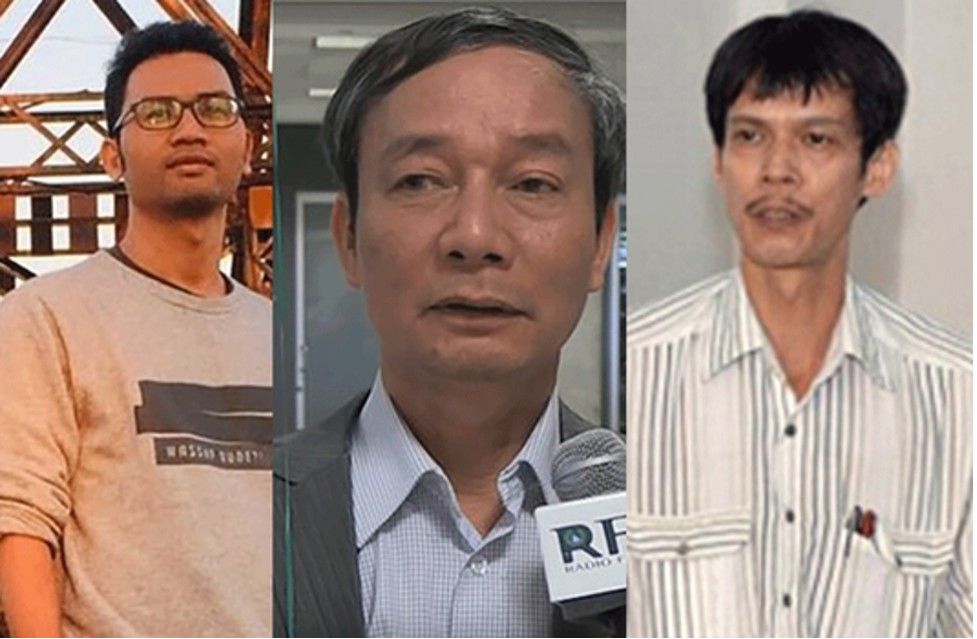
    We, the undersigned media organizations, condemn the arrest, detention, and the upcoming trial of the three journalists, Pham Chi Dung, Nguyen Tuong Thuy, and Le Huu Minh Tuan. The Vietnamese government has charged them with Section 2, Article 117, of the 2015 Penal Code (revised in 2017) for “making, storing, spreading information, materials, items that contain distorted information about the people’s government.” The trial is expected to commence on January 5, 2021, at the People’s Court of Ho Chi Minh City.

    The three journalists mentioned above have been active members of the Independent Journalists Association of Vietnam (IJAVN). Mr. Pham Chi Dung is the president, Mr. Nguyen Tuong Thuy is the vice-president, and Mr. Le Huu Minh Tuan is the editor. All three have also been journalists for the Vietnam Time newspaper, a media organization of the IJAVN.

    These journalists are being persecuted and brought to trial because they have exercised their rights of free speech, free press, and the freedom of assembly. These are the fundamental human rights that both Vietnam’s Constitution and international law wholeheartedly recognized. The Vietnamese regime may use whichever propaganda to rationalize its decision, but it cannot change the facts and the reality of this case. The truth is that in Vietnam, the current regime has put itself in the same position as the feudal monarchies of the past and is sentencing people in a literacy inquisition.

    We declare that we stand with Pham Chi Dung, Nguyen Tuong Thuy, Le Huu Minh Tuan, and the IJAVN to build a free media in Vietnam. We demand the Vietnamese government immediately and unconditionally release the three journalists.

    Jointly signed,

    Luat Khoa Magazine

    The Vietnamese Magazine

  • Statement On The Recent Arrest of Pham Doan Trang

    Statement On The Recent Arrest of Pham Doan Trang

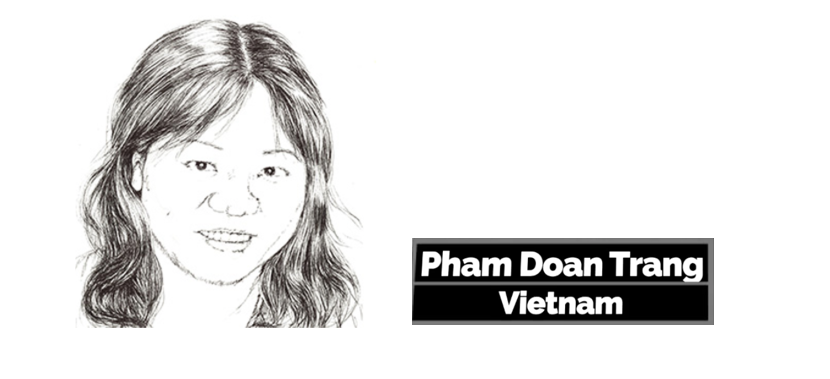
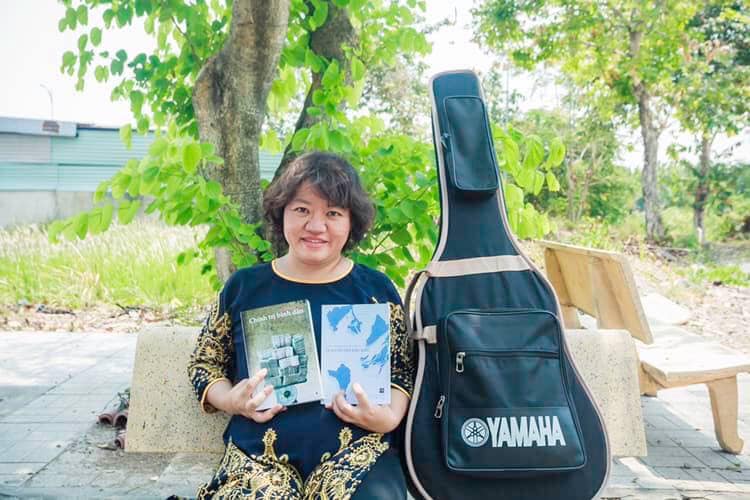
    On October 6, 2020 at 23:30, the Vietnamese authorities arrested Pham Doan Trang, a current member of our editorial board, in Ho Chi Minh City. She was charged with “conducting propaganda against the Socialist Republic of Vietnam” under Article 88 of the 1999 Penal Code, and “making, storing, spreading information, materials, items for the purpose of opposing the State of the Socialist Republic of Vietnam” under Article 117 of the 2015 Penal Code.

    The Vietnamese Magazine, strongly condemn this blatant violation of human rights committed by the Vietnamese authorities. Pham Doan Trang is a highly-respected journalist who has diligently expanded the political and legal information for the masses in Vietnam, encouraging people to practice the universal values of freedom and democracy that are stated clearly in Vietnam’s Constitution and which the government has also supported in many of the international treaties it has signed. A journalist should be allowed to report and a writer must be able to publish her books in every corner of this world. Journalism is not a crime and journalists should not be treated as criminals. The suppression of these basic human rights should be treated as a crime.

    We demand the Vietnamese government release journalist Pham Doan Trang unconditionally and immediately. In the meantime, from now until she is released, we demand that the authorities uphold her rights and legal interests, including her right not to be tortured, right to have legal representation, right to meet her family, right to privacy, right to medical assistance, and the right to have a full and complete access to all the files related to her case.

    We also encourage our readers and those who care about Vietnam and Vietnamese citizens to raise objections against this arrest and join us in our demand to have Pham Doan Trang released immediately. Please join us in continuing her fight for freedom and in reporting, publishing, translating, and raising our voices against injustice whenever and wherever possible.

    Tran Quynh Vi – editor-in-chief

  • LIV Launches Database on Religious Freedom in Vietnam

    LIV Launches Database on Religious Freedom in Vietnam

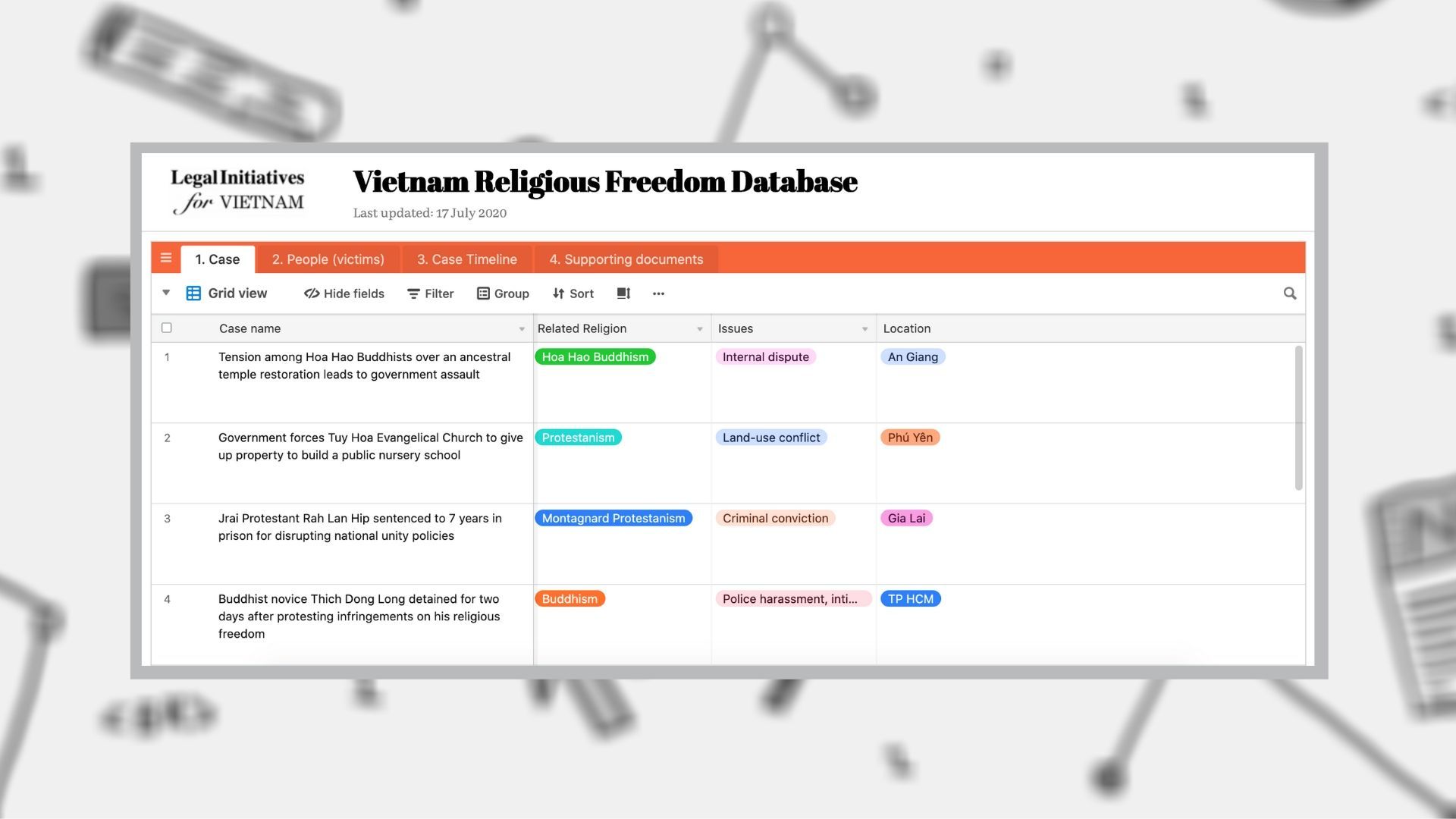
    On July 17, 2020, Legal Initiatives for Vietnam (LIV) launched its Database on Religious Freedom in Vietnam.

    LIV is a non-profit organization based in California (United States) and is the organization that oversees both Luat Khoa Magazine and The Vietnamese. You can find more information about LIV and the reason the organization is based in the United States (and not Vietnam) here.

    With this regularly-updated data, LIV hopes to begin documenting cases related to religious freedom, both past and present.

    It could be an issue related to the land dispute between the Tuy Hoa Protestant Church and Phu Yen provincial authorities. It could be the trial of an ethnic minority member from the Central Highlands who practiced Dega Protestantism or trials for those who promoted Falun Gong.

    It could also be the conflict between Hoa Hao Buddhists in An Giang Province regarding the restoration of the An Hoa Tu Temple or the scuffles between unaffiliated Hoa Hao Buddhists and local police.

    Currently, when you access this data, you will see 19 cases (among them, more than 20 events involving Falun Gong practitioners have been combined into one case), with more than 91 victims or persons directly involved. Other cases are still being updated.

    To expand the number of readers, this data content will be presented in English. After consulting the Q&A information below, you can access data regarding freedom of religion here: www.liv.ngo/data

    Why did LIV put together this database?

    The multi-faceted religions of Vietnam are a national point of pride, and the strength of religion and faith has contributed to the ability of Vietnamese to persevere through difficult periods in history.

    After April 30, 1975, however, many people became victims of the Vietnamese state’s harsh religious policies.

    Although the strict control of religion has gradually decreased over time, the state still maintains a tight spiritual grip on religion. Activities that lay outside government control or that allegedly do not support the government’s efforts to build “national unity” are all seen as illegal.

    As an organization that primarily conducts journalism, LIV has encountered many difficulties in evaluating the situation regarding freedom of religion and faith in Vietnam. Unlike cases involving freedom of speech or other political cases, those involving religion are generally not known or else fall into obscurity. For cases that are known, information is spotty and lacking. We believe that other press and human rights organizations also encounter similar problems.

    Because of this, our initial data is created by compiling information regarding cases related to religious freedom in a systematic way. We hope this data can be a useful source of information for journalists, activists, as well as readers who care about the right to freedom of religion.

    How was the data compiled?

    The compiled data is based on information coming from sources such as local and foreign journalists, as well as from human rights organizations.

    Furthermore, where such arrangements can be made, LIV will directly gather information from the people involved.

    Database information only includes cases reported by journalists and those people directly involved. We will not provide our own viewpoints regarding these cases.

    We hope readers will contribute information about cases that they are familiar with. For directions on how to contact us, please see the section “How Can I Provide Information?”

    How do I read information from the data table?

    Readers can view the data using the Air Table tool. This is an interactive spreadsheet tool that makes it easy to find information without having to switch tables.

    When you open the link www.liv.ngo/data, you will see four tables: 1. Case, 2. People (victims), 3. Case Timeline, and 4. Supporting Documents.

    https://www.luatkhoa.org/wp-content/uploads/2020/07/vrfd-2-1024x448.png
    Photo Courtesy: Luat Khoa magazine

    For information about each case, you only need to read Table 1. All information in the other, remaining tables are connected to this first one.

    In Table 1, you’ll see the name of each case in the first column, with the relevant information added across rows.

    In the next four columns, you can filter cases according to more detailed information: Related religion, Issues, Location, and Status, by pressing the “Filter” button and entering the information you want filtered.

    For example: if you want to find cases that occurred in An Giang Province, press “Filter”, choose “Location”, and pick the province of “An Giang”.

    In the three columns near the end of Table 1, including People, Case Timeline, and Supporting Documents, you can see that the information here is colored. With these three columns, you can click on the phrases in each cell to view more detailed information.

    For example, if you want to read more information about individuals related to the case of Rlan Hip, an ethnic Jrai sentenced to seven years in prison for disrupting national unity, you can press on his name in People (victims) in Table 1. Information about the victim, Rlan Hip, will appear as follows:

    https://www.luatkhoa.org/wp-content/uploads/2020/07/image1-2.png
    Photo Courtesy: Luat Khoa magazine

    The People section includes the personal information of relevant individuals, such as birthdate, ethnicity, identifying photographs, gender, and activity timelines.

    Case Timeline provides chronological summaries of cases based on information from  sources that we have quoted in the penultimate column of Table 1.

    Supporting documents can be videos, photographs, or any materials related to each case.

    Similarly, you can also filter data by Table 2. People (victims) to look at information according to gender, ethnicity, religion, and criminal prosecution.

    How can I provide information?

    We hope you can contribute to this religious freedom database as much as possible. Tell us about cases involving religious freedom that you know about or are directly involved in.

    Readers can send us information through this link: bit.ly/vuviectongiao. We’ll reach out to you as soon as possible to gather more information. You can also provide us information anonymously. Information provided will only be used for this religious freedom database and will not be given to any third party.

    As we compile and present data, it will be difficult to avoid errors, and we hope readers can take a little time to contribute their thoughts. Email us at tongiao@luatkhoa.org or religion@liv.ngo.

  • Luat Khoa and The Vietnamese’s Press Release on the Indictment of Three Members of The Independent Journalists Association of Vietnam (IJAVN)’s

    As media organizations, Luat Khoa and The Vietnamese magazines vehemently denounce the three recent arrests of the three members of IJAVN: Le Huu Minh Tuan (detained on June 12, 2020), Nguyen Tuong Thuy (detained on May 23, 2020, and Pham Chi Dung (detained on November 21, 2019).

    All of these three journalists were charged with the crime “publish, store, and disseminate or propagandize information, documentation, and products against the Social Republic of Vietnam” (Article 117 of Vietnam’s current Penal Code). This penal code has already been viewed as a blatant violation of people’s freedom of speech and free press by many human rights organizations.

    IJAVN – together with running its Vietnam Thoi Bao newspaper – is a regular civil society organization formed under the right to associate, and it sets to implement the right for a free press and promote an independent and decent media for Vietnam.

    Luat Khoa and The Vietnamese magazines share and support the values in which the IJAVN pursues.

    As journalists, we ultimately care for the safety of our other colleagues. We consider the reality of a government trying to silence any journalist to be an imminent threat to us and anyone who practices free speech.

    Silencing journalists is also a violation of the right to read free and independent media of the people.

    We have realized that the call for the government of Vietnam to release immediately and unconditionally these three journalists of IJAVN would be unrealistic in the situation of Vietnam. However, that action is the only righteous conduct that the Vietnamese government could act right now, and therefore, we call on them to immediately do so.

    We also call on all of the journalists, the activists, the public, the international organizations, and the foreign governments to jointly monitor and pressure the Vietnamese authorities to release the three journalists, Pham Chi Dung, Nguyen Tuong Thuy, and Le Huu Minh Tuan; and to call on the government to respect the Vietnamese people’s right for a free press and the freedom to form associations.

    ___

    To contact us, please email editor@luatkhoa.org.

  • The Vietnamese: On Our Second Anniversary

    The Vietnamese: On Our Second Anniversary

    On November 8, 2017, the editorial board of The Vietnamese launched our website with only one purpose: to bring more information on human rights and the political situation in Vietnam to the international audience.

    Two years ago, we realized that foreigners don’t really understand Vietnam and that that they don’t know what Vietnam’s politics are really like. They may not know that the sunny and relaxed place of tourism in the tropics has been controlled by a single political party for more than seven decades in the North and for more than 40 years in the whole of the country. The Vietnamese people live under an authoritarian state and so have no free and fair elections. They do not elect any of the leaders of their country because those leaders are selected behind closed doors by the Vietnamese Communist Party. Vietnam’s government is the type of regime that the Umbrella Movement was trying to avoid for Hong Kong people in 2014 when protests broke out.

    As democracy activists, it has been a bit mind-boggling for us to see the world wholeheartedly support the rights of the people of  Hong Kong but while just giving a pass to us Vietnamese – a people who also believe in democracy – who continue to suffer under an authoritarian regime.

    It was then that we decided that we needed to write in English about Vietnam. We felt a need to bring the stories and the lives of those who suffer when their human rights are being violated by the state and to make these stories more widely seen within international communities.

    For two years, we have been working mostly voluntarily to bring forward our magazine’s objectives. More importantly, we have brought out the stories of our people and our human rights activists to the world. It has been two years with not a lot of financial support, but it was also two years in which we received tremendous human resources for free. We know that we are heading in the right direction when more people reach out and try to work with us when we have no means to pay them. We believe that they are happy to contribute because they understand that the world needs to hear our voices. The good news is that in 2019, we were successful in raising enough funds to pay for our freelancers and we hope that more writers will join us since we issued our call for more pitches one month ago.

    We thank you, our readers, for your support and belief in us. We thank you and call on writers to walk with us and realize our goal to be a platform to advocate for each and every Vietnamese individual’s human rights and democracy. We call on all of you to share and raise your voices for our dreams, our visions, and to support our daily struggle for Vietnam to become a democratic country where the rule of law and human rights are respected.

  • Vietnam: Stop The Continued Harassment And Intimidation Of Our Editor, Pham Doan Trang

    Vietnam: Stop The Continued Harassment And Intimidation Of Our Editor, Pham Doan Trang

    March 18, 2019, The Vietnamese Magazine’s editorial board received an urgent message tonight from journalist Pham Doan Trang that the secret police have found her current residence and started to surveil the location.

    Ms. Pham is a member of our editorial board and a founding member of our Vietnamese site, Luat Khoa online magazine.

    From around the Tet celebration in February 2019, it had been brought to our attention that the secret police began to surveil the home of journalist Pham Doan Trang’s mother in Hanoi, Vietnam. Ms. Pham believed that the police was waiting for her to go back and visit her family during the Lunar New Year celebration so that they could arrest her like they did last year.

    However, because she did not go back to Hanoi, the secret police utilized different methods, trying to locate her whereabouts.

    As she recently published a book on public policy and the Special Economic Zones draft bill, they have pretended to be her readers, contacted her on social media, and asked if she could give them copies of her new book.

    Those who helped deliver her books were followed, and hackers have attempted to gain access to Ms. Pham’s Facebook on numerous occasions.

    Ms. Pham wrote on her personal Facebook tonight:

    “If you hear, in the coming days, that I am involved in a traffic accident or suddenly got attacked somewhere, then it must be the planning and actions of the secret police. There would not be any ‘citizen actions’ that could have caused it.”

    We strongly condemn the ongoing harassment and threats directed at our editorial member by the Vietnamese secret police due to the peaceful exercise of her human rights. These conducts are in direct violation of both Vietnam’s and international laws, and as such, they have put Ms. Pham in grave danger where both her physical and mental health have been negatively affected.

    We, therefore, call on the relevant authorities of Vietnam to immediately intervene and cease the ongoing illegal surveillance and intimidation against Ms. Pham, investigate the unlawful individual conducts listed above, and prosecute those who have committed such crimes in accordance to the current legal standards in Vietnam.

  • Press Release: On the Detention of Our Editorial Board Member Pham Doan Trang

    Press Release: On the Detention of Our Editorial Board Member Pham Doan Trang

    In the afternoon of November 16, 2017, the Vietnamese police kidnapped a member of The Vietnamese’s editorial board, Pham Doan Trang, almost immediately after she had left the meeting with the EU delegation in Hanoi held earlier that day.

    The police had illegally seized her personal property, including her cell phone and laptop, and kept them since. Pham Doan Trang was held incommunicado during the entire detention, and legal representation was not allowed.

    By midnight, the police escorted Pham Doan Trang back to her home in Hanoi and continued to surveil her, effectively putting her under house arrest.

    The meeting with the EU delegation was held right before the commencement of their annual Human Rights Dialogue with Vietnam, which is going to be in early December 2017. During the meeting on November 16, Doan Trang provided the EU delegation with an updates report on Vietnam’s current human rights situation, the report on the Formosa environmental disaster, as well as the latest report on the right to religion in Vietnam.

    We strongly condemn the kidnapping, unlawful taking of property and putting Pham Doan Trang under house arrest. These conducts are in direct violation of both Vietnam’s and international laws, and as such, they have put a member of our editorial board in grave danger where both her physical and mental health have been negatively affected, especially when Doan Trang is still undergoing treatment for her previous knees injuries.

    We, therefore, demand that the relevant authorities of Vietnam to immediately intervene and cease the ongoing illegal house arrest, investigate the unlawful individual conducts listed above, and prosecute those who have committed such crimes, in accordance to the current legal standards in Vietnam.